The earliest signs of facial aging are subtle changes in skin texture, tone, and structural support that typically begin appearing in a person’s mid-to-late twenties, well before most people expect them. These early indicators include fine lines around the eyes, slight loss of skin firmness, and the first traces of uneven pigmentation. Understanding what drives these changes, and how they can be assessed with precision, is the foundation of any effective approach to facial rejuvenation.
What causes the first visible changes in facial appearance?
The first visible changes in facial appearance are caused by a gradual decline in collagen and elastin production, combined with cumulative sun exposure, reduced cellular turnover, and the early stages of muscle and fat pad repositioning beneath the skin. These biological shifts begin earlier than most people realize and accelerate with age, lifestyle, and environmental exposure.
Collagen is the structural protein that keeps skin firm and resilient. From the mid-twenties onward, the body produces less of it each year. As collagen density decreases, the skin loses its ability to spring back from repeated facial expressions, and fine lines begin to form where the skin folds most often, around the eyes, between the brows, and at the corners of the mouth.
Sun exposure is one of the most significant accelerating factors. Ultraviolet radiation breaks down collagen fibers and triggers pigmentation changes that accumulate over years. In a sun-rich environment like Hilton Head Island, UV damage can progress faster than in less sun-exposed climates, and much of that damage develops beneath the surface long before it becomes visible to the eye.
Beneath the skin, fat compartments that give the face its youthful volume begin to shift and thin. Facial muscles, which support the overlying skin, gradually lose tone. These deeper structural changes contribute to the early appearance of hollowing, flattening, and the subtle loss of definition that characterizes aging in the mid-face and jawline.
What are the earliest signs of facial aging most people overlook?
The earliest signs of facial aging that most people overlook include subtle changes in skin texture, a slight loss of radiance, the first fine lines at rest rather than only during expression, and early pigmentation changes that are not yet visible to the naked eye. These indicators often appear years before the changes people typically associate with aging become obvious.
Most people notice aging only when it has already progressed to a moderate stage, because the earliest changes are gradual and easy to dismiss. The skin may begin to look slightly duller or less even in tone. Pores may appear more prominent as the surrounding skin loses its firmness. Fine lines that once appeared only when smiling or squinting begin to remain faintly visible at rest.
Subsurface pigmentation is one of the most commonly missed early indicators. UV damage accumulates in the deeper layers of the skin years before it appears as visible sunspots or discoloration. By the time pigmentation is clearly visible, the underlying damage is often already well established. This is one reason objective imaging tools that can detect subsurface changes are so valuable in early assessment.
Early loss of facial muscle tone is another overlooked sign. The muscles of the face support the skin above them, and as tone decreases, the skin begins to lose its structural lift from below. This can appear as a very subtle flattening or softening of contours, particularly in the cheeks and brow area, long before any visible sagging develops. EmFace Function & Aesthetics Services address this by targeting both facial muscles and skin simultaneously to restore support from within.
How do clinicians measure facial aging objectively?
Clinicians measure facial aging objectively using advanced imaging systems that analyze multiple dimensions of skin health simultaneously, including surface texture, pigmentation, collagen density, vascular patterns, and subsurface UV damage. These tools replace subjective visual assessment with quantifiable, reproducible data that can be compared over time.
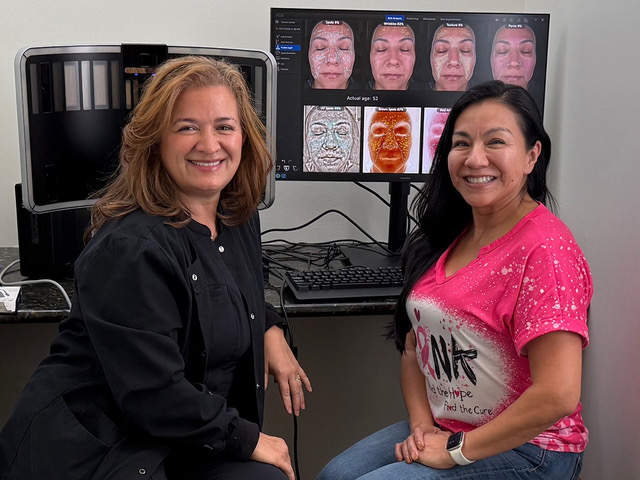
The most clinically meaningful assessments go beyond what can be observed with the naked eye or in a standard mirror. Multi-spectral imaging, for example, captures the skin at different wavelengths to reveal pigmentation and vascular changes that exist beneath the surface but have not yet become visible. This allows clinicians to identify and address aging patterns before they reach a stage that is harder to treat.
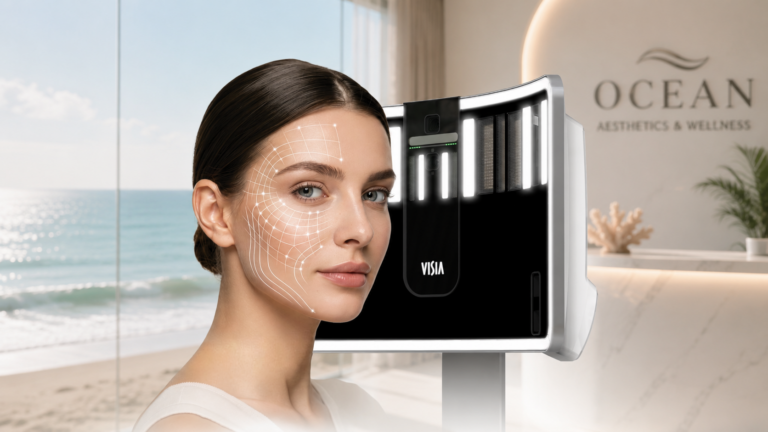
At Ocean Aesthetics & Wellness, the Visia Skin Analysis system provides this level of clinical precision. VISIA uses AI-powered 3D facial imaging to evaluate skin texture, fine lines, pigmentation, redness, pore quality, and signs of collagen loss in a single session. Results are benchmarked against age-matched norms, giving patients and clinicians an objective reference point rather than a subjective impression.
This kind of structured assessment also makes it possible to track progress meaningfully. Rather than relying on a patient’s perception that their skin “looks better,” follow-up imaging at key milestones documents changes in measurable terms, providing both clinical insight and a clear record of how the skin has responded to treatment over time.
At what age do early facial aging signs typically begin?
Early facial aging signs typically begin in the mid-to-late twenties, when collagen production starts to decline and the first subtle changes in skin texture and elasticity appear. By the mid-thirties, these changes become more noticeable, and by the forties, structural shifts in muscle tone and facial volume are often clearly visible without the aid of imaging technology.
The timeline varies meaningfully from person to person based on genetics, sun exposure history, lifestyle factors such as smoking and diet, and skin care habits. People with significant cumulative sun exposure, as is common in coastal communities, may show measurable subsurface UV damage and early pigmentation changes earlier than their peers in less sun-exposed regions. Laser skin resurfacing treatments can address this accumulated UV damage and help restore a more even skin tone and texture.
It is worth noting that the age at which signs become visible is different from the age at which changes begin. Collagen loss, for instance, starts in the mid-twenties but typically does not produce noticeable skin laxity until a decade or more later. This gap between biological onset and visible appearance is precisely why early assessment and proactive care can make a meaningful difference in long-term outcomes.
Can early facial aging signs be slowed or reversed with treatment?
Early facial aging signs can be meaningfully slowed and, in many cases, partially reversed with the right non-invasive treatments. Approaches that stimulate collagen production, improve skin quality, and support facial muscle tone can reduce the appearance of existing early signs and help delay the progression of more advanced aging changes.
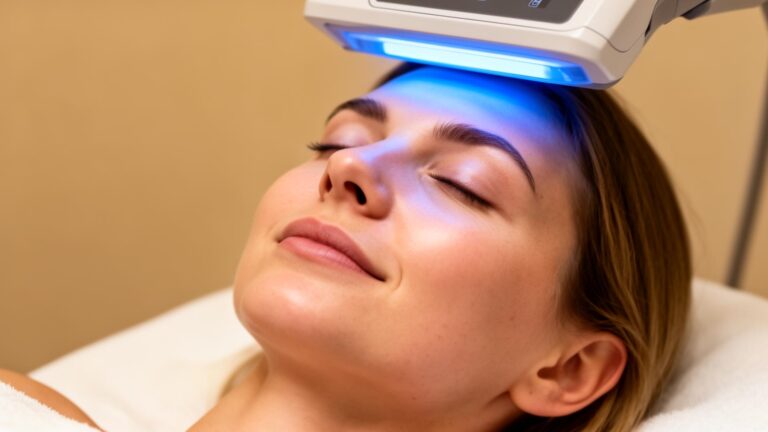
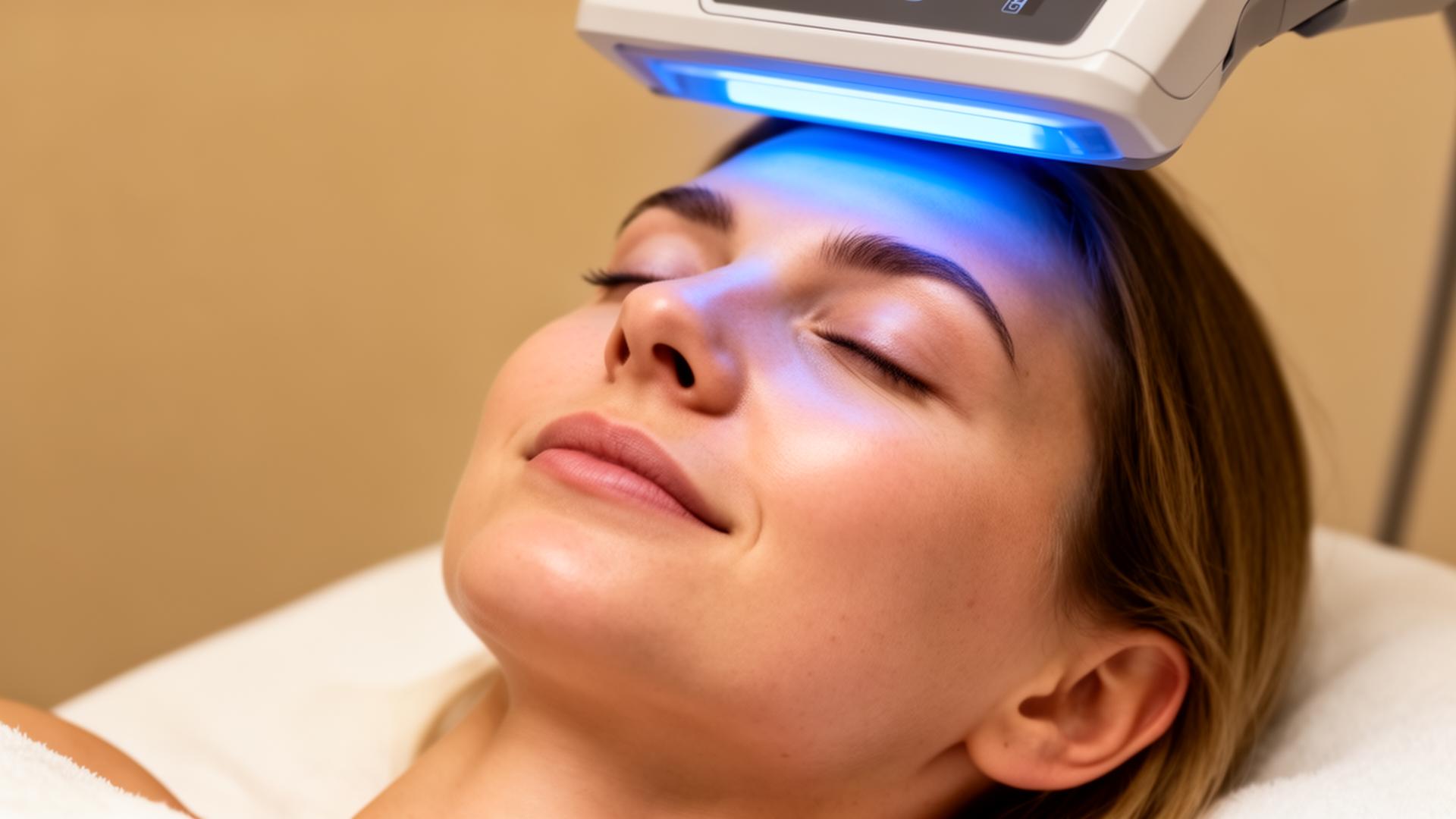
The most effective treatments for early aging work at multiple levels of the skin and underlying structure. Exion collagen stimulation therapy addresses the root cause of skin laxity and fine lines by encouraging the body to rebuild its own structural proteins. Treatments that target facial muscle tone help restore the support structure beneath the skin. Surface-level treatments address texture, pigmentation, and the visible effects of UV damage.
The earlier a structured approach begins, the more effectively it can work. Treating early-stage collagen loss requires less intervention than addressing significant laxity that has developed over many years. This is not a reason for alarm, but it is a meaningful clinical rationale for not waiting until changes are advanced before seeking an assessment.
Importantly, results from any treatment depend on an accurate understanding of which aging factors are present and how they are affecting the individual face. A treatment plan built on precise, data-supported assessment is far more likely to deliver meaningful outcomes than one based on general observation. Our Signature Rejuvenation Pathways offer exactly this kind of structured, individualized approach to facial care. If you are noticing early changes and want to understand your skin in clinical terms, a complimentary consultation at Ocean Aesthetics & Wellness begins with exactly that kind of assessment, giving you a clear picture of where your skin is today and what a structured approach to rejuvenation could realistically achieve.