Yes, skin can recover from sun damage, though the extent of recovery depends on how deep the damage goes and how long it has been accumulating. Surface-level concerns like mild discoloration and rough texture can often be significantly improved, while deeper structural changes may require professional treatment to reverse. The sections below walk through exactly how sun damage works, what your skin can repair on its own, and which treatments deliver the most meaningful results.
How does sun damage actually affect your skin?
Sun damage affects your skin at multiple levels simultaneously. Ultraviolet (UV) radiation breaks down collagen and elastin fibers in the deeper layers of the skin, while also triggering excess melanin production in the upper layers. Over time, this combination leads to wrinkles, sagging, uneven pigmentation, rough texture, and a dull overall appearance.
There are two types of UV rays involved. UVB rays are responsible for surface burns and direct DNA damage to skin cells. UVA rays penetrate more deeply, silently degrading the structural proteins that keep skin firm and smooth. Because UVA damage accumulates gradually without the immediate sting of a sunburn, it often goes unnoticed for years before the visible effects become apparent.
Beyond collagen breakdown and pigment changes, chronic sun exposure can also enlarge pores, thicken the outer layer of skin, and create the rough, leathery texture often associated with long-term sun damage. For those living in sun-rich environments like Hilton Head Island, this kind of cumulative exposure is a very real and common concern.
What types of sun damage can skin reverse on its own?
Skin can reverse mild, surface-level sun damage on its own to a meaningful degree. Minor redness, temporary darkening after a single sunburn, and early-stage dryness often resolve naturally as the skin cycles through its renewal process. However, the skin’s ability to self-repair has clear limits, particularly when damage has accumulated over many years.
The skin renews its surface layer roughly every 28 to 40 days, which means fresh cells regularly replace damaged ones at the top. This is why a single, moderate sunburn tends to fade and peel away without lasting consequences. The skin’s natural repair enzymes also work continuously to fix minor DNA errors caused by UV exposure.
Where self-repair falls short is with deeper, structural damage. Once collagen and elastin fibers are broken down and melanin has been deposited unevenly in the skin, the body does not reliably rebuild those structures on its own. Age compounds this further, since collagen production naturally slows over time. This is the category of sun damage where professional treatment makes a genuine difference in recovery.
What professional treatments help repair sun-damaged skin?
Professional treatments for sun-damaged skin work by stimulating the skin’s own regenerative processes, removing damaged surface layers, or targeting excess pigmentation directly. The most effective options address multiple layers of damage at once rather than focusing on just the surface.
Exion RF and Ultrasound Rejuvenation
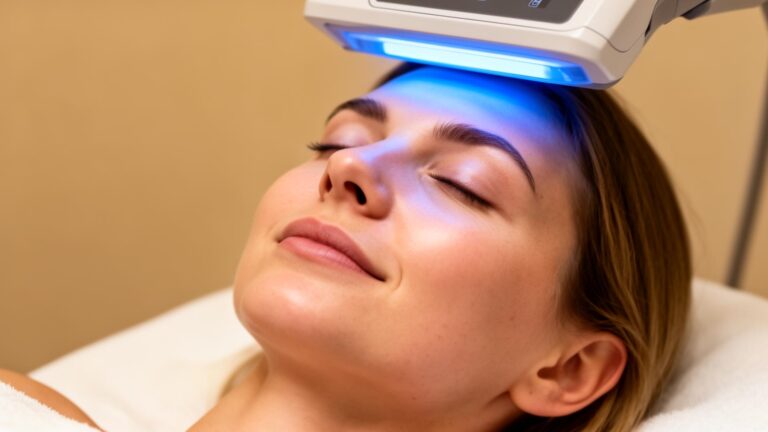
Exion combines radiofrequency energy with targeted ultrasound to reach different depths of the skin simultaneously. The RF energy heats the deeper dermal layer, stimulating collagen and elastin production, while the ultrasound component promotes natural skin regeneration and improves hydration from within. This makes it particularly effective for sun damage concerns like uneven tone, hyperpigmentation, age spots, and loss of firmness. Our Exion RF Ultrasound Rejuvenation treatment is designed specifically to revive your skin’s natural glow and address the deeper structural effects of cumulative sun exposure.
Exion Clear RF
For surface-level pigmentation concerns, including sun spots, age spots, and uneven tone, Exion Clear RF targets the superficial layers of the skin using radiofrequency energy to break down discoloration and improve overall skin clarity. It is a non-invasive option with no downtime, making it a practical choice for those dealing with the kind of patchy pigmentation that builds up after years of sun exposure.
Laser Skin Resurfacing
For more significant sun damage involving rough texture, deeper discoloration, and visible skin irregularities, laser skin resurfacing offers a more intensive approach. Our Waterlase treatment uses laser energy combined with a fine water mist to gently remove damaged surface layers while stimulating collagen renewal beneath. The result is fresher, healthier skin with improved tone and texture. Most patients experience some redness and light flaking for a few days, which is managed and resolves quickly.
How long does it take to see results from sun damage treatments?
The timeline for visible improvement from sun damage treatments varies by treatment type and the depth of damage being addressed. Surface pigmentation improvements can often be noticed within days to a few weeks, while deeper structural improvements from collagen stimulation typically develop over several months as the skin rebuilds from within.
With laser skin resurfacing, many patients notice visible improvement within the first week as the skin heals and fresh layers emerge. Optimal results continue to develop over the following weeks as collagen regeneration progresses, and results can last six months to over a year with good skincare and sun protection habits in place.
With Exion treatments, results are often noticeable after a single session, but the full benefit builds progressively. A standard course of four sessions spaced four to six weeks apart allows the skin’s natural regenerative processes to compound over time. Because these treatments work by stimulating your body’s own collagen, elastin, and hyaluronic acid production, the improvements tend to look and feel natural rather than sudden.
Patience is part of the process. Skin that has accumulated years of sun damage does not reverse overnight, but with consistent treatment and proper protection, meaningful improvement is very achievable.
How can you prevent further sun damage while your skin heals?
Preventing further sun damage during the recovery process is just as important as the treatments themselves. Without protection, new UV exposure can undo progress and trigger fresh pigmentation in areas that are already healing. A few consistent habits make a significant difference.
- Wear broad-spectrum SPF 30 or higher every day, not just on beach days. UVA rays penetrate windows and cause cumulative damage even on overcast days or during everyday activities like driving.
- Reapply sunscreen every two hours when spending time outdoors, and after swimming or sweating.
- Seek shade during peak UV hours, typically between 10 a.m. and 4 p.m., when UV intensity is at its highest.
- Wear protective clothing and wide-brimmed hats when spending extended time outside. Sun-protective clothing with a UPF rating offers consistent coverage that sunscreen alone cannot always match.
- Avoid tanning beds entirely. They emit concentrated UV radiation that accelerates the same collagen breakdown and pigmentation changes caused by outdoor sun exposure.
- Support your skin from within by staying well hydrated and eating a diet rich in antioxidants, which help neutralize some of the oxidative stress UV exposure creates.
After professional treatments, your provider will give specific aftercare guidance, including any temporary restrictions on sun exposure during the healing window. Following those instructions carefully protects your investment and helps your results last as long as possible.
If you are ready to explore what sun-damaged skin recovery could look like for you, we would love to help. Schedule a courtesy consultation with us at Ocean Aesthetics and Wellness, and we will take the time to understand your skin’s history and build a personalized treatment plan around your goals.