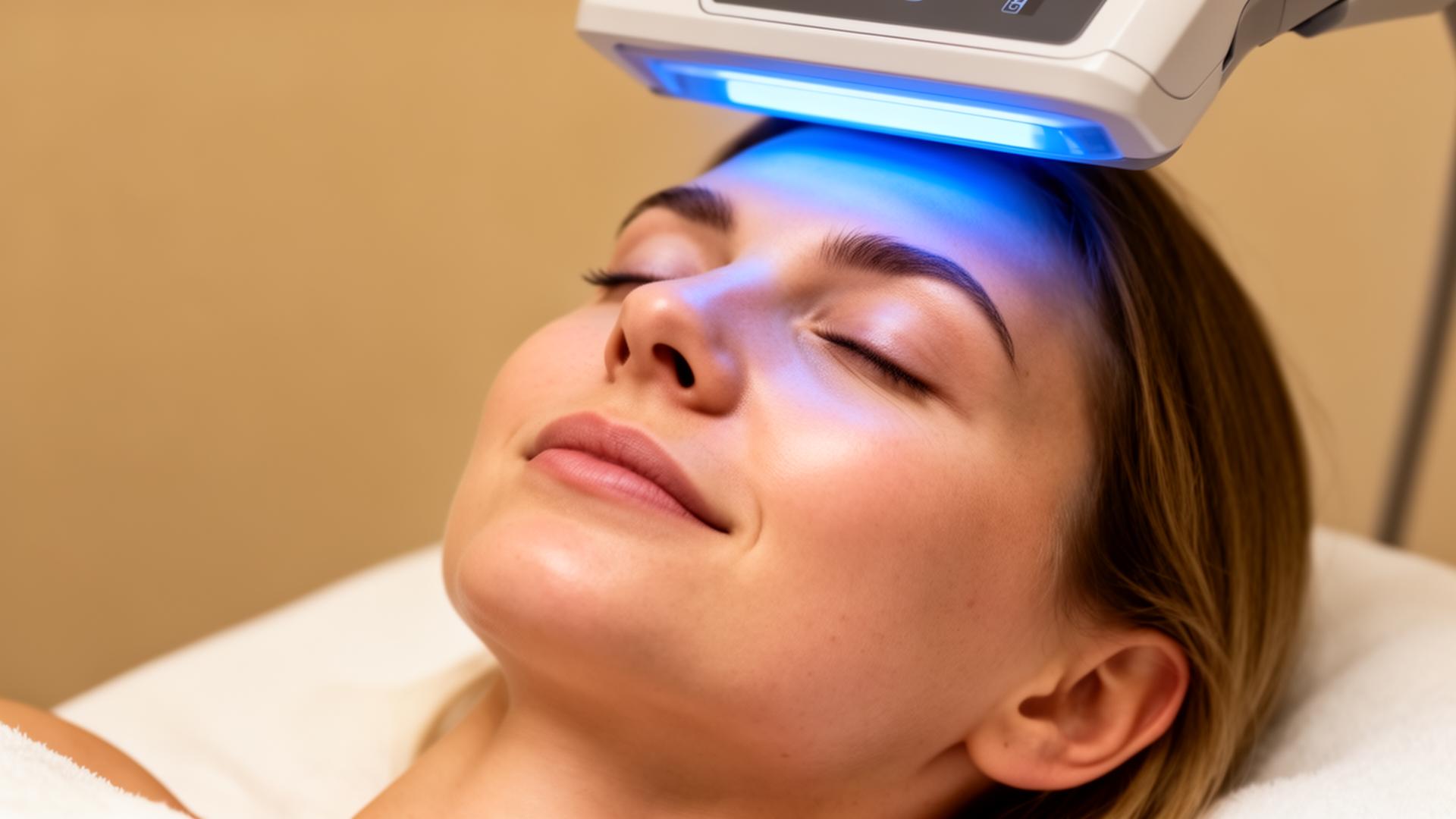
You can track whether your skin treatments are working by monitoring specific, measurable changes in your skin over time, ideally using objective documentation methods rather than relying on memory or daily impressions alone. Gradual improvement is easy to miss when you see your face every day, which is why structured progress tracking matters more than most patients expect. The questions below cover what to look for, how long to wait, and when to adjust course.
What signs show that a skin treatment is actually working?
A skin treatment is working when you notice consistent, progressive changes in the specific concerns you set out to address, such as smoother texture, more even tone, reduced redness, or firmer skin. These changes tend to appear gradually rather than all at once, and the earliest signs are often subtle enough to miss without a reference point.
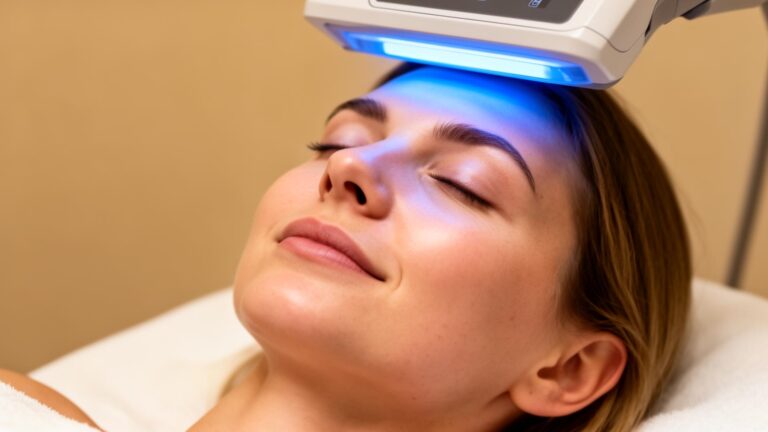
The most reliable early indicators depend on the treatment type. For collagen-stimulating treatments like Exion radiofrequency and skin tightening or microneedling, early signs include improved skin firmness and a subtle reduction in fine lines, often noticeable within four to eight weeks as the body’s collagen remodeling process gets underway. For treatments targeting pigmentation or surface texture, you may notice a more even tone and a smoother skin surface as treated areas shed and renew.
Equally important is tracking what does not happen. Skin that previously felt rough or looked dull staying that way, or concerns that are neither improving nor worsening, is useful information. It suggests either that more time is needed or that the treatment plan may need refinement. Monitoring your skin consistently gives you the data to tell the difference.
How long does it take to see results from aesthetic skin treatments?
Most aesthetic skin treatments produce noticeable results between four and twelve weeks after treatment begins, though the timeline varies significantly depending on the treatment type, the concern being addressed, and how your skin responds individually. Some surface-level improvements appear sooner, while deeper structural changes take longer.
Treatments that work at the surface level, such as laser skin resurfacing for pigmentation or texture, often produce visible changes within two to four weeks as the skin heals and renews. Treatments that work deeper, stimulating collagen production or targeting muscle tone, operate on a longer timeline because the body’s remodeling process is gradual by nature. With these treatments, the most significant results often appear two to three months after the final session, and improvement can continue beyond that. For a closer look at what to expect from specific treatments, see the RF microneedling results timeline and the EMFACE Eyes results timeline.
One of the most common reasons patients underestimate their results is that they assess too early or compare themselves to an outcome they expected rather than the baseline they started from. Setting a realistic timeline at the start of treatment, and knowing what to look for at each stage, helps you evaluate progress accurately rather than drawing conclusions before the process is complete.
What’s the best way to document skin progress over time?
The most effective way to document skin progress is through consistent, objective photography combined with written notes about specific concerns, taken at regular intervals throughout your treatment. Objective documentation removes the distortion of daily perception and gives you a reliable basis for comparison.
Consistent photography
If you are taking photos at home, use the same lighting, angle, and distance every time. Natural light near a window, no filters, and a neutral background will produce the most accurate comparison images. Take photos at the same time of day, as skin appearance can shift with hydration levels and daily activities. Front-facing and side-profile shots together capture more of what is changing.
Clinical imaging
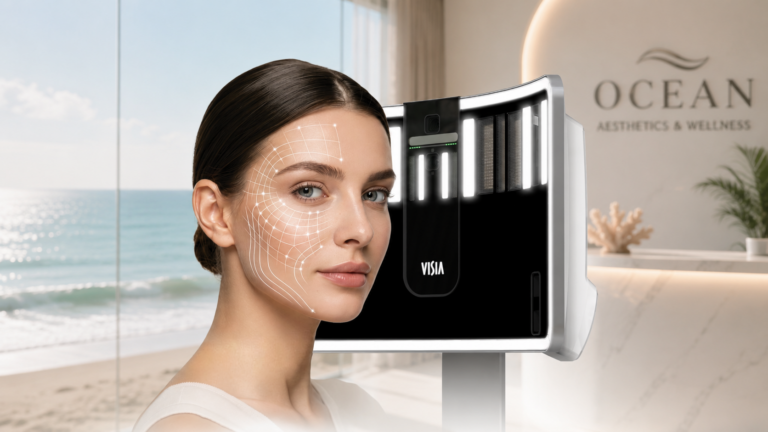
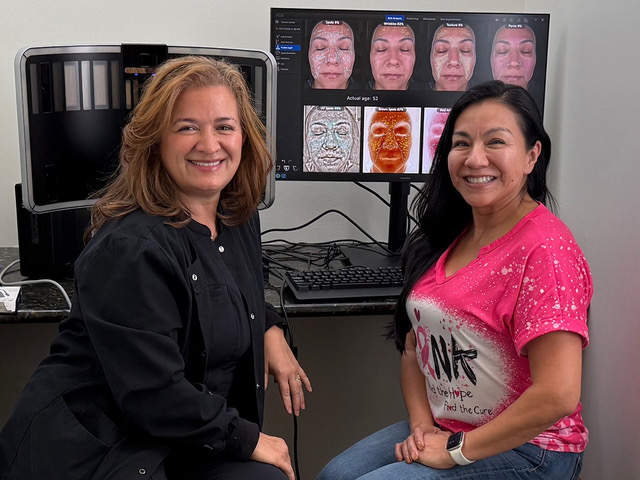
Home photography is helpful, but it captures only what is visible on the surface. Clinical imaging tools like VISIA® AI-powered 3D skin analysis go further, measuring visible features including spots, wrinkles, texture, pores, UV-related features, and redness at a level of detail that cannot be seen with the naked eye. At Ocean Aesthetics & Wellness, VISIA skin analysis is used to establish an objective baseline at the start of treatment and to compare those same visible features at agreed follow-up milestones, once treatment effects have had time to develop. This gives patients documented, side-by-side image comparisons that go beyond what a mirror can show.
Alongside images, keep brief written notes about how your skin feels, any concerns that seem to be improving, and any changes in your routine. This context helps distinguish between results from your treatment and changes caused by seasonal shifts, new products, or lifestyle factors.
Why do some skin treatments seem to stop working after a while?
Skin treatments can appear to plateau when the initial phase of improvement is complete and maintenance is needed to sustain results, or when the treatment is no longer matched to where your skin currently is. This is normal and does not mean the treatment failed.
Many aesthetic treatments produce their most visible results during an active treatment course. Once that course is complete, the skin continues to age naturally, and without maintenance or follow-up treatments, the gap between your treated baseline and current skin condition gradually widens again. This is not regression in the clinical sense, but it can feel that way when patients compare themselves to their best result rather than to where they started.
In some cases, what looks like a plateau is actually a sign that the treatment plan needs to evolve. Skin changes over time, and a plan that was well-matched to your concerns at the start may need to be adjusted as those concerns shift or as new ones emerge. This is why periodic reassessment matters as much as the initial evaluation.
When should you talk to a provider about adjusting your treatment plan?
You should talk to your provider about adjusting your treatment plan if you are not seeing expected progress after a reasonable timeframe, if your skin concerns have shifted since treatment began, or if new concerns have emerged that your current plan does not address. These conversations are a normal part of well-managed aesthetic care, not a sign that something has gone wrong.
Specific situations that warrant a check-in include: completing a full treatment course without the results you anticipated, noticing that improvements have leveled off before reaching your goal, experiencing unexpected skin responses, or simply feeling uncertain about whether you are on the right track. Any of these is a legitimate reason to revisit your plan with a provider who offers structured signature rejuvenation pathways designed to evolve with your skin over time.
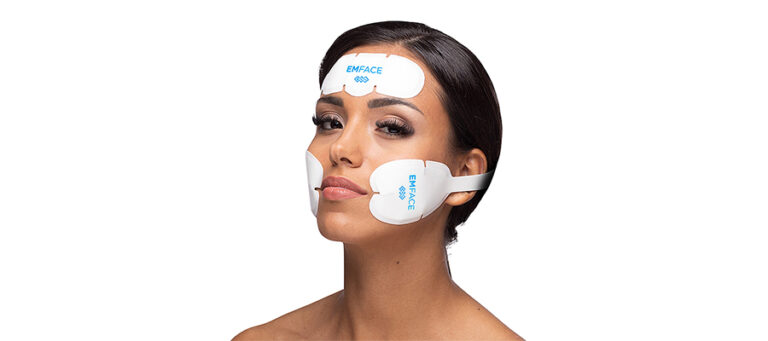
A good provider will use objective data, not just your verbal description, to assess where things stand. That is why having a documented baseline and progress images matters so much. It gives your provider something concrete to work with rather than relying on memory or impressions from either side of the conversation. Treatments like EmFace facial muscle and skin toning are examples where tracking progress with clinical precision helps both patient and provider evaluate whether the plan is delivering the intended results.
If you are ready to start tracking your skin with clinical precision, book a complimentary skin analysis at Ocean Aesthetics & Wellness on Hilton Head Island. The approximately 20-minute consultation includes a full VISIA Advanced Skin Analysis, giving you the objective baseline every effective treatment plan should begin with.