3D facial imaging is a diagnostic technology that captures multi-dimensional, high-resolution images of the face and analyzes skin health across multiple layers simultaneously, including texture, pigmentation, vascular patterns, and structural aging. It is used in skin consultations to replace visual guesswork with clinical data, giving both the patient and the clinician a precise, objective picture of the skin’s current condition. The sections below address the most common questions about how this technology works, what it reveals, and how it shapes a more effective aesthetic consultation.
How does 3D facial imaging technology actually work?
3D facial imaging works by capturing the face using multi-spectral light at different wavelengths, which allows the system to analyze the skin at multiple depths in a single session. Unlike a standard photograph, which records only what is visible on the surface, facial imaging technology separates and evaluates distinct skin characteristics that are invisible under ordinary light. The result is a layered, data-rich profile of your skin that a mirror or a brief visual assessment simply cannot produce.
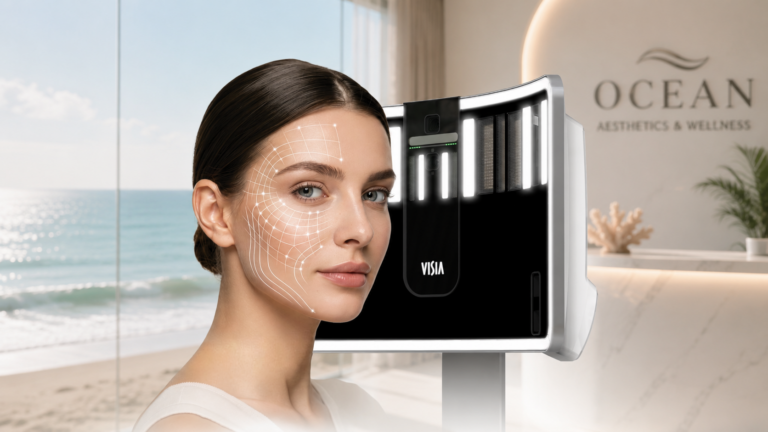
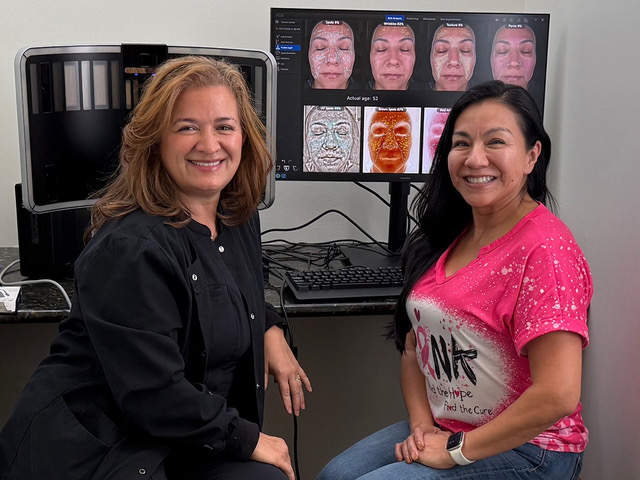
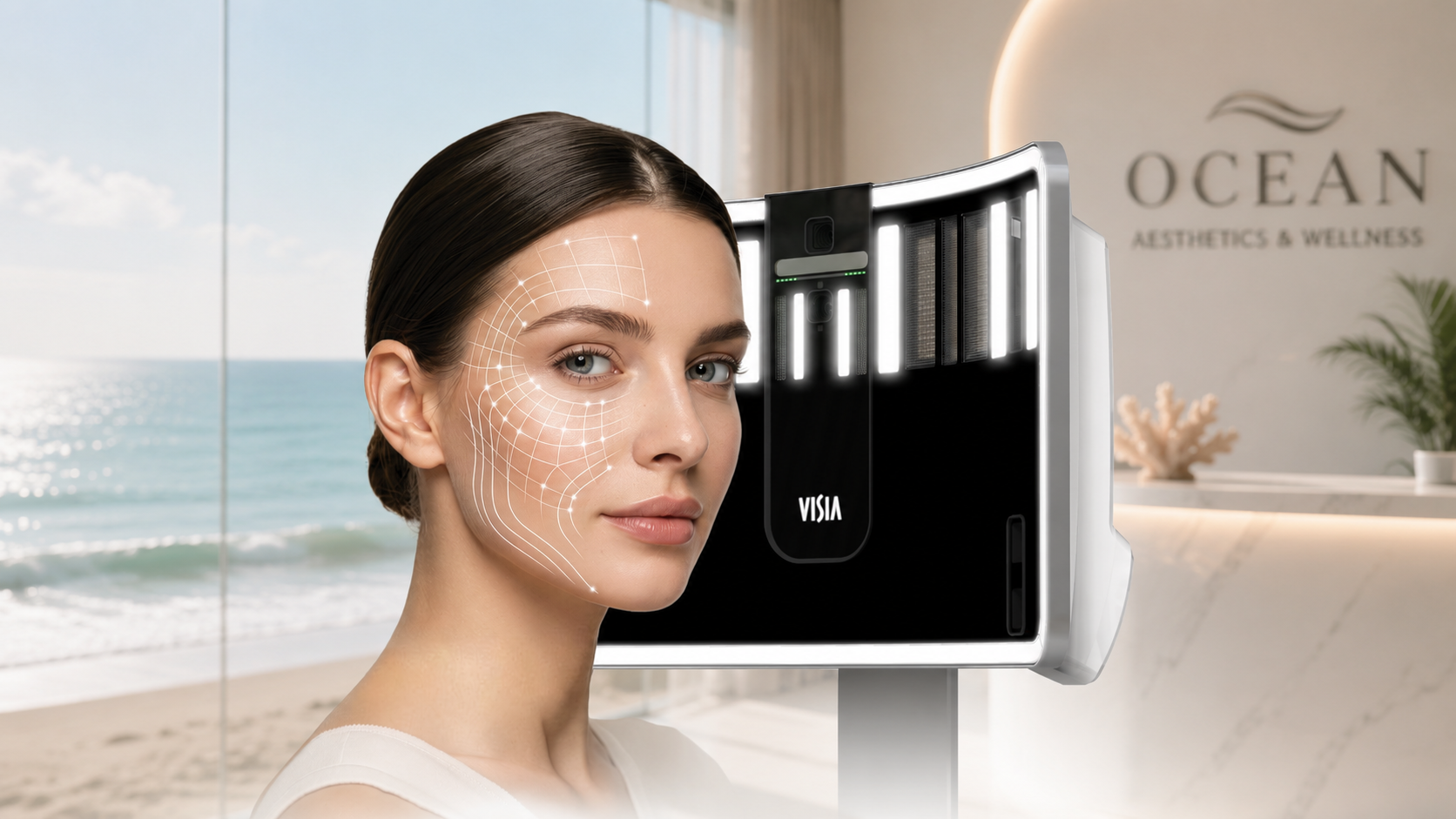
At Ocean Aesthetics & Wellness, the Advanced Skin Analysis uses VISIA®, the industry’s leading complexion analysis system. VISIA uses multi-spectral imaging to illuminate the skin with different types of light, capturing surface features, subsurface pigmentation, UV damage, and vascular activity simultaneously. Its AI-powered analysis then compares your results against a database of tens of thousands of skin profiles, generating objective scores across every dimension evaluated and benchmarking your skin against age-matched norms.
What makes this meaningful in a clinical context is that the system removes subjectivity from the consultation. Rather than relying on a clinician’s visual impression or a patient’s self-reported concerns, the imaging produces consistent, measurable data. That data becomes the foundation for everything that follows.
What can a 3D facial scan reveal that a mirror cannot?
A 3D facial scan can reveal subsurface pigmentation, UV damage, vascular patterns, early collagen loss, and developing skin changes that are not yet visible to the naked eye. A mirror shows you the surface of your skin as it appears under ambient light. Advanced facial imaging technology shows you what is happening beneath that surface and what is developing before it becomes visible, giving you a significantly more complete picture of your skin’s health.
Some of the most clinically valuable findings from a 3D face scan include:
- UV damage and subsurface pigmentation that has not yet surfaced as visible spots or discoloration, but will if left unaddressed. For patients in a sun-rich environment like Hilton Head, this is often the most revealing part of the assessment.
- Vascular patterns and diffuse redness that may not appear consistently in everyday lighting but indicate inflammatory activity or vessel concerns beneath the skin.
- Early structural changes related to collagen loss and skin laxity, which the imaging system can document before they translate into visible sagging or deepening lines.
- Pore distribution, surface texture, and tone uniformity mapped with a level of precision that allows for meaningful comparison over time.
- An overall skin age score benchmarked against age-matched norms, providing an objective reference point rather than a subjective impression.
The practical significance is that findings like these change what gets recommended and why. A clinician working from a visual assessment alone may miss concerns that are developing beneath the surface. A clinician working from imaging data can address those concerns before they progress.
How is 3D facial imaging used to plan aesthetic treatments?
3D facial imaging is used to match treatment recommendations to the specific layers and concerns identified in the scan, rather than applying a generalized approach. Each finding from the skin analysis informs which treatment modality is most appropriate, which areas require priority attention, and in what sequence treatments should be delivered for the best long-term outcome.
This matters because facial aging is not a single concern. It involves the skin’s surface, the deeper dermis, the underlying muscle structure, and the patterns of UV and environmental exposure accumulated over time. A scan that identifies prominent pigmentation and sun damage points toward surface refinement treatments. A scan that reveals significant skin laxity and collagen loss points toward treatments that work at a deeper structural level. When multiple layers are affected, a structured, sequenced approach addresses each one appropriately.
At Ocean Aesthetics & Wellness, the assessment findings connect directly to the practice’s treatment options. Patients with muscle tone and structural lift as primary concerns may be directed toward EMFACE® facial muscle and skin treatments. Those for whom collagen stimulation and skin quality are the priority may be better served by EXION® collagen stimulation therapy. Patients with prominent surface concerns such as pigmentation or texture may benefit most from laser skin resurfacing for texture and pigmentation. When multiple findings are present across different layers, the Signature Rejuvenation Pathways™ combine treatments into a structured, progressive plan designed to address each concern in the correct order.
The key distinction from a standard aesthetic consultation is that treatment recommendations are derived from data, not from what seems reasonable based on a brief visual impression. That specificity is what makes the plan more likely to deliver the results the patient is actually looking for.
Can 3D facial imaging track treatment results over time?
Yes. One of the most clinically valuable applications of 3D facial imaging is longitudinal tracking, where baseline images taken before treatment are compared against follow-up scans at key milestones. Because the system captures objective, measurable data, it can document improvements in texture, pigmentation, collagen density, redness, and overall skin quality that might otherwise go unnoticed simply because gradual change is difficult to perceive in real time.
This matters for a straightforward reason: skin improvement happens slowly. When change occurs over weeks or months, it can be easy to underestimate progress or lose confidence in a treatment plan. Objective imaging removes that uncertainty. A follow-up scan does not rely on memory or subjective impression. It shows, in measurable terms, what has changed and by how much.
Patients consistently describe this tracking capability as one of the most motivating aspects of their treatment experience. Seeing documented progress gives results meaning and gives the investment context. It also allows the clinician to adjust the treatment plan based on how the skin is actually responding, rather than relying on the patient’s self-reported sense of improvement.
Who is a good candidate for a 3D facial imaging consultation?
A 3D facial imaging consultation is appropriate for any adult who wants a clear, data-supported understanding of their skin’s current condition before committing to a treatment plan. You do not need to have a specific treatment in mind. In fact, the assessment is particularly valuable for patients who are unsure where to start, because the imaging often clarifies concerns and priorities that were difficult to articulate before the scan.
More specifically, a VISIA skin analysis consultation is well suited for patients who:
- Are considering facial rejuvenation but want to understand their skin before making any decisions
- Have concerns about pigmentation, sun damage, redness, or uneven texture that have not been fully addressed by previous treatments or skincare routines
- Prefer a structured, clinically grounded approach to aesthetic care rather than a high-volume, one-size-fits-all experience
- Want to track measurable improvements throughout a treatment journey rather than relying on subjective impression
- Are new to aesthetic care and want to begin with a genuine understanding of their skin rather than a sales-driven recommendation
There is no specific age requirement, and the assessment is relevant across a wide range of skin types and concerns. The imaging technology evaluates what is actually present in your skin, not what you report or what is visible under ordinary light, which means it is equally useful for patients with early-stage concerns and those with more advanced signs of aging.
If you are ready to see your skin in a way you never have before, Ocean Aesthetics & Wellness offers a complimentary Advanced Skin Analysis & Consultation with no obligation. Schedule your courtesy consultation to begin with clarity and a treatment plan built around what your skin actually needs.