A med spa consultation and a dermatologist visit serve different purposes and are structured around different goals. A med spa consultation focuses on aesthetic improvement — skin quality, tone, texture, and facial rejuvenation — while a dermatologist visit is a medical appointment centered on diagnosing and treating skin conditions. Understanding which setting is right for you depends on what you are trying to accomplish. The sections below walk through the key differences so you can make an informed decision.
What treatments can a med spa offer that a dermatologist typically can’t?
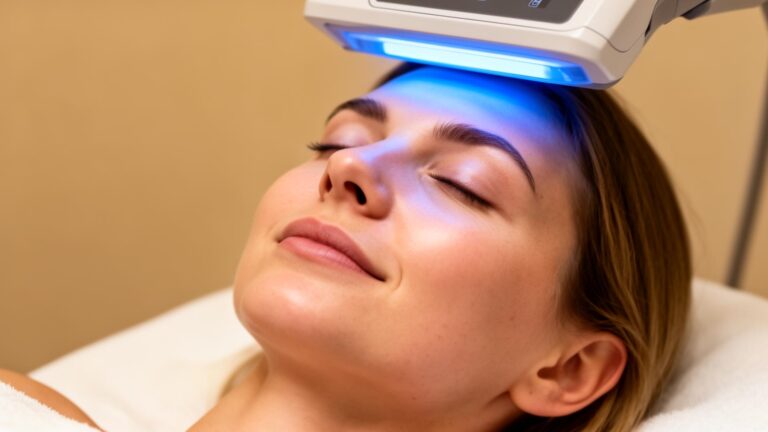
Med spas typically offer a broader range of aesthetic and rejuvenation treatments than a dermatology office. Where dermatologists focus on medical skin care, med spas specialize in non-invasive procedures designed to improve appearance — including radiofrequency treatments, electromagnetic facial contouring, laser skin resurfacing, and advanced skin analysis using AI-powered imaging technology.
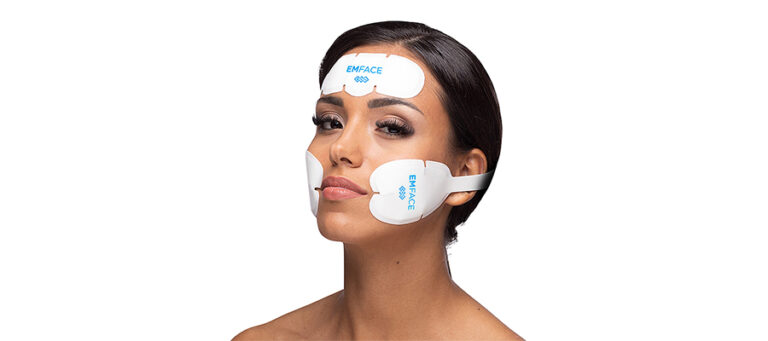
The treatment menu at a med spa is built around cosmetic outcomes rather than clinical diagnoses. This means access to technologies like EMFACE® facial muscle toning treatments, which uses synchronized radiofrequency and electromagnetic energy to tone facial muscles and tighten skin without needles or downtime, and EXION® radiofrequency and microneedling therapy, which delivers radiofrequency, ultrasound, and microneedling to stimulate collagen and refine skin quality beneath the surface. These are not treatments you would typically find in a standard dermatology setting.
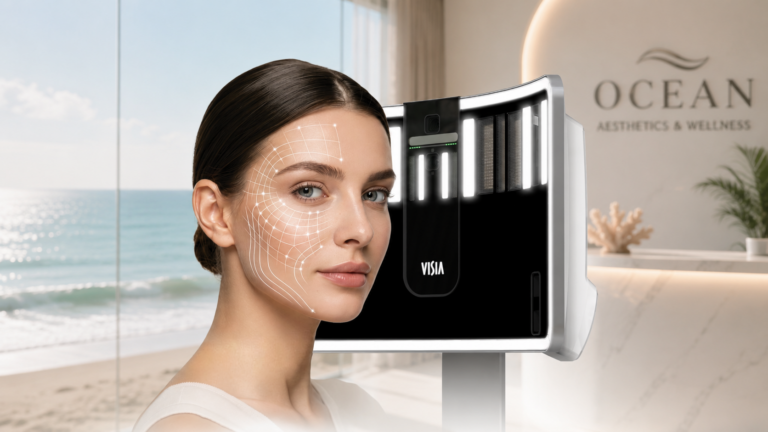
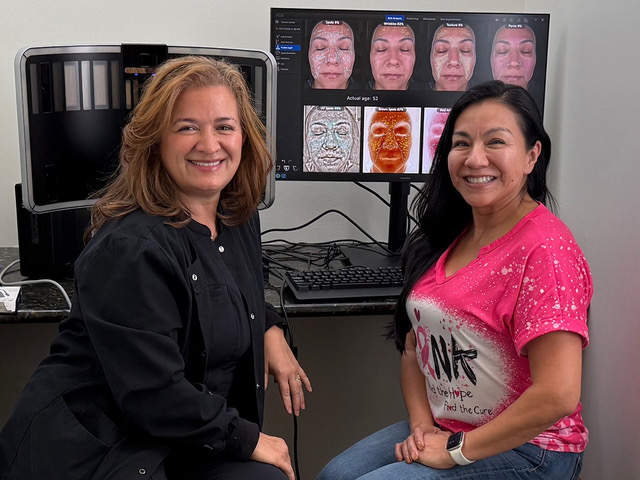
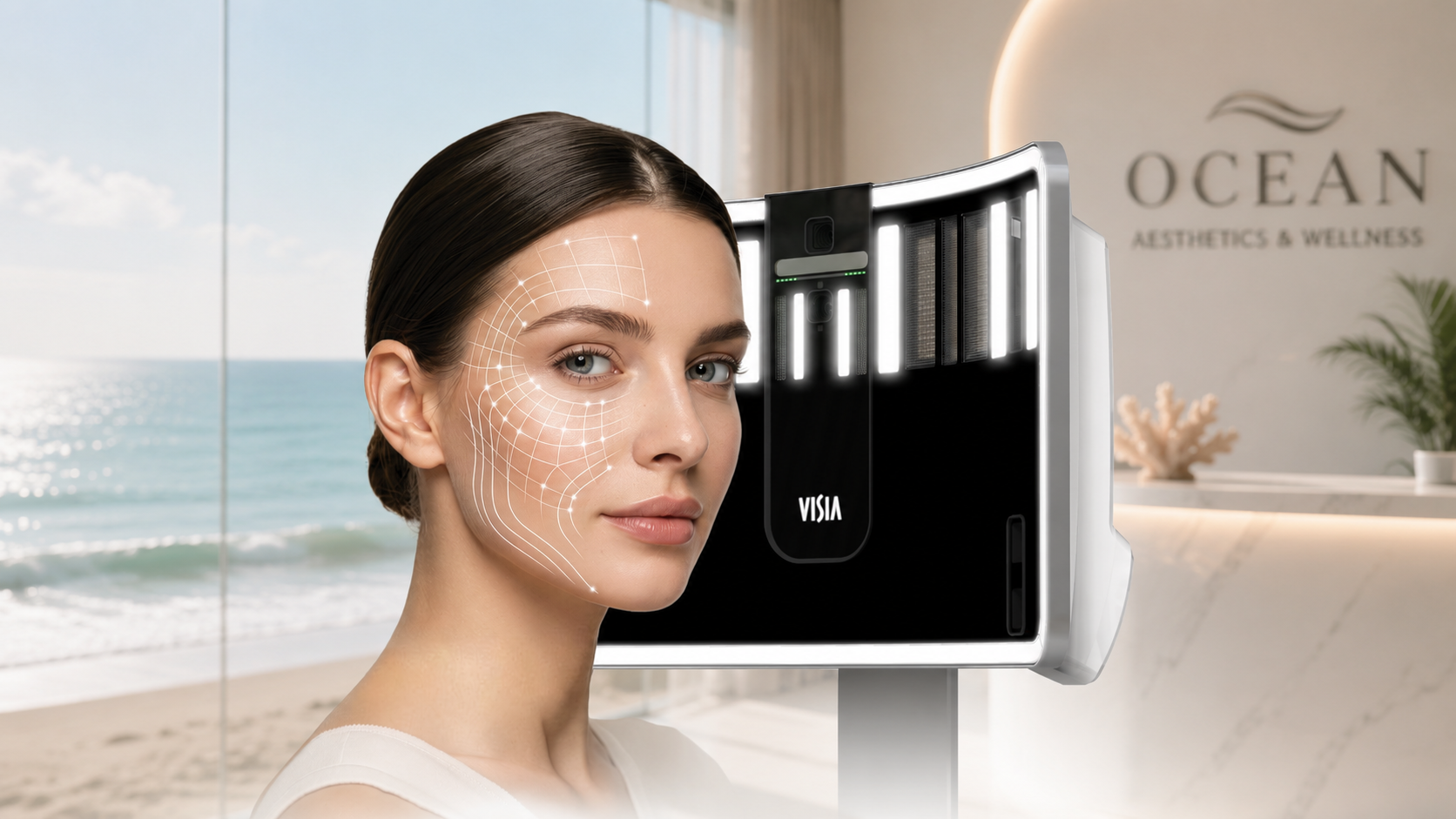
Med spas also tend to invest in diagnostic tools designed specifically for aesthetic planning. At Ocean Aesthetics & Wellness, for example, every consultation begins with a VISIA skin analysis — an AI-powered 3D imaging system that evaluates skin texture, pigmentation, UV damage, redness, and collagen health in a single session. This level of pre-treatment assessment is rarely available in a dermatology office focused on medical concerns.
Who performs treatments at a med spa versus a dermatology office?
At a dermatology office, treatments and diagnoses are performed or supervised by a board-certified dermatologist — a physician with specialized medical training in skin, hair, and nail conditions. At a med spa, treatments are typically performed by licensed aesthetic practitioners, nurse practitioners, or clinicians working under the direction of a supervising medical provider.
The clinical background of the provider matters, and it varies considerably from practice to practice. At some med spas, the supervising physician has a background in internal medicine or surgery. At others, the founder brings a more directly relevant clinical foundation. Ocean Aesthetics & Wellness was founded by Dr. Elizabeth Sugg, whose 15 years of clinical practice and background as a dental instructor at Case Western Reserve University inform a precision-first approach to aesthetic care — one that prioritizes assessment and individualized treatment planning over high-volume service delivery.
When evaluating a med spa, it is worth asking who performs your treatments, what credentials they hold, and who provides clinical oversight. A well-run med spa will be transparent about all of this before your first appointment.
What happens during a med spa consultation?
A med spa consultation is a structured conversation between you and a clinician about your aesthetic goals, skin concerns, and treatment options. Unlike a dermatology visit, it is not focused on diagnosing a condition — it is focused on understanding what you want to improve and developing a realistic, personalized plan to get there.
At a quality practice, the consultation goes well beyond a visual assessment. At Ocean Aesthetics & Wellness, the process begins with an Advanced Skin Analysis using VISIA® imaging technology, which captures multi-dimensional data across skin texture, pigmentation, UV damage, vascular patterns, and collagen health. This gives both the patient and the clinician an objective, data-supported picture of the skin before any treatment recommendation is made.
From there, the clinician reviews your results in the context of your goals and lifestyle, then outlines treatment options that are genuinely matched to your skin’s needs. You should expect to leave a thorough med spa consultation with a clear understanding of what is recommended, why it is appropriate for your specific concerns, and what realistic outcomes look like over time. There should be no pressure to commit on the spot.
If you are ready to experience this kind of structured, data-informed approach, you can schedule a courtesy consultation to get started.
When should you see a dermatologist instead of visiting a med spa?
You should see a dermatologist when you have a medical skin concern that requires diagnosis or prescription treatment. This includes suspicious moles or lesions, persistent rashes, eczema, psoriasis, acne that has not responded to over-the-counter care, skin infections, or any condition where you need a clinical diagnosis rather than an aesthetic improvement.
Dermatologists are physicians trained to identify and treat disease. If something on your skin has changed in color, shape, or texture in a way that concerns you, a dermatologist is the appropriate first step — not a med spa. The same applies if you are managing a chronic skin condition that requires ongoing medical management or prescription medication.
A med spa, by contrast, is the right choice when your skin is medically healthy but you want to address the visible effects of aging, sun damage, uneven tone, or loss of firmness. These are aesthetic concerns, not medical ones, and they are best addressed by practitioners who specialize in non-invasive rejuvenation rather than disease management.
If you are unsure which setting applies to your situation, a brief conversation with your primary care provider can help you determine the right starting point.
Can a med spa and a dermatologist work together for your skin goals?
Yes — and for many patients, this combination produces the best outcomes. A dermatologist and a med spa serve complementary roles. The dermatologist addresses the medical health of your skin; the med spa addresses its appearance and aging. When both are working from a clear picture of your skin, your overall care is more complete.
A common example: a dermatologist identifies and treats sun damage at a clinical level, and a med spa follows with laser skin resurfacing for tone and texture or radiofrequency treatment to improve the surface texture and tone that remain after medical treatment. Neither provider is duplicating the other’s work — they are addressing different layers of the same concern.
Good communication between providers matters in this scenario. Sharing your med spa assessment results with your dermatologist, and vice versa, helps both practitioners make better decisions for your skin. A reputable med spa will support this kind of coordinated care rather than position itself as a replacement for medical oversight.
If you are exploring what non-invasive aesthetic treatment could do for your skin alongside your existing medical care, the right starting point is an honest assessment of where your skin is today. That is exactly what a complimentary Advanced Skin Analysis at Ocean Aesthetics & Wellness is designed to provide — and it is the foundation of our signature rejuvenation pathways for lasting results.