Crow’s Feet: Understand Your Options.
Smile lines at the corners of the eyes are a natural part of expression. If you would like them softer, we explain what is realistic with a personalized, non-surgical approach in Hilton Head.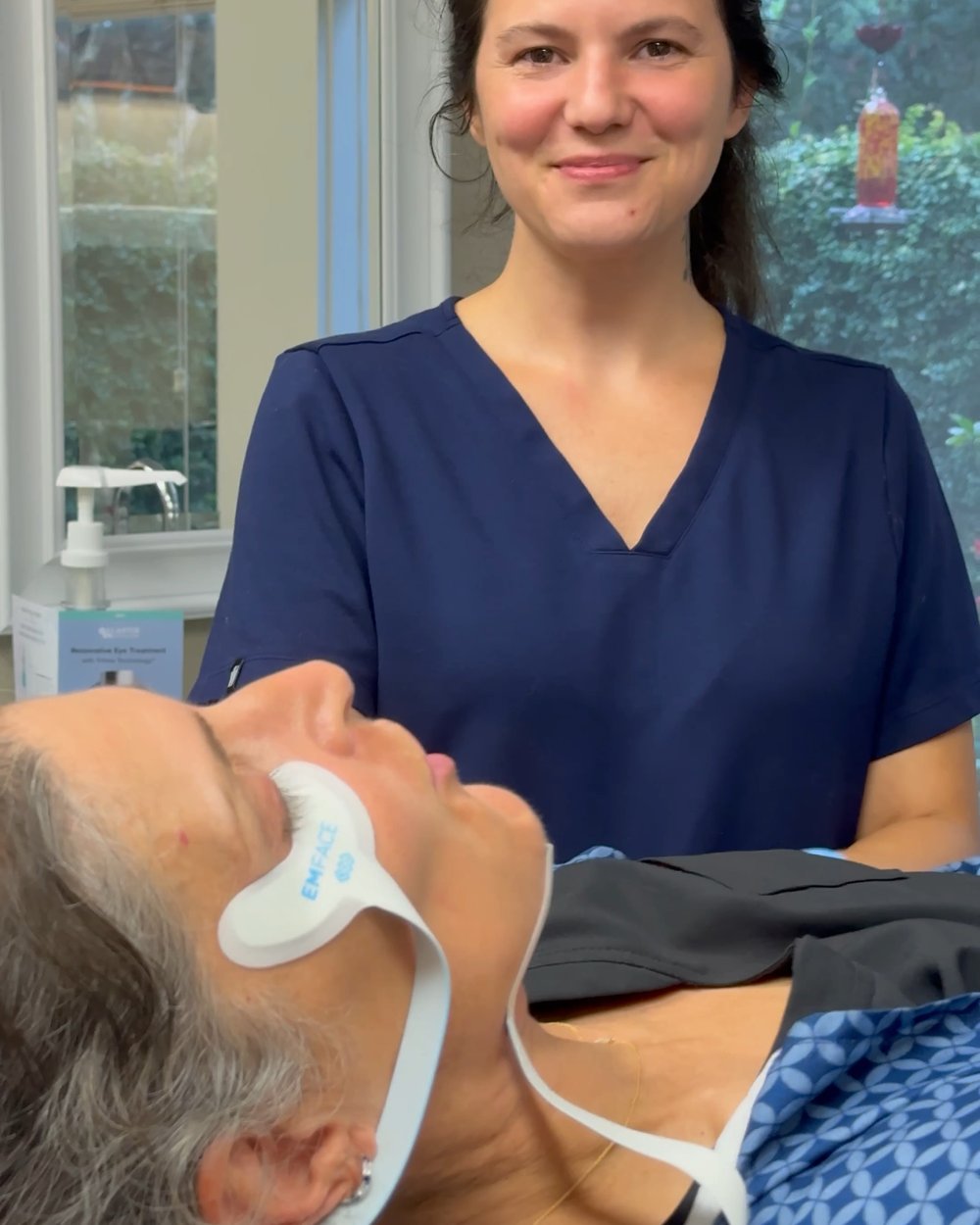
Why Do Crow’s Feet Form?
Crow’s feet are fine lines that fan out from the outer corners of the eyes. They often begin as expression lines that appear when you smile or squint, then gradually remain visible even at rest.
Two main things are at work. Repeated muscle movement creases the skin over time, while declining collagen and elastin make the skin less able to spring back. Sun exposure, genetics and dryness can speed the process.
Because expression lines and skin-quality lines are different, the right approach depends on which is more prominent for you. You can also read our overview of eye-area concerns.
What Contributes to Crow’s Feet?
Crow’s feet rarely have a single cause. These are the factors we look at most often.
Quick check: notice whether your lines appear only when you smile, or stay visible when your face is relaxed. The next section explains why that difference matters.
Repeated Expression
Smiling, laughing and blinking fold the skin at the outer corners of the eyes thousands of times a day. Over the years, these folds become lasting creases.
Squinting
Bright sunlight, screens and uncorrected vision make many people squint without noticing. Good sunglasses and an up-to-date eye prescription can reduce this extra strain.
Sun Exposure
UV light breaks down collagen and elastin, and the skin around the eyes is often missed when applying sunscreen. In a sunny coastal climate, sun damage is one of the main reasons lines deepen faster.
Thin Skin and Collagen Loss
The skin around the eyes is among the thinnest on the face, and with age it makes less collagen and elastin. As it becomes less able to spring back, lines that once faded at rest begin to stay.
Dryness
The eye area has fewer oil glands than most of the face, so it dries out easily. Dry skin makes fine lines look deeper than they really are.
Genetics, Smoking and Sleep
Family history influences skin thickness and when lines appear. Smoking speeds up collagen loss, and sleeping on one side can press creases into the skin night after night.
Dynamic Lines and Static Lines.
Understanding the difference helps set realistic expectations.
Dynamic Lines
These appear mainly when you smile or squint. They are driven by muscle movement. They are common in people with expressive faces or who often squint, for example in bright sun, and they can appear as early as the 20s.
How we can help: movement lines can be approached in different ways. Our EMFACE vs. Botox comparison explains how an energy-based treatment and injectables differ, so you can decide what feels right for you.
Static Lines
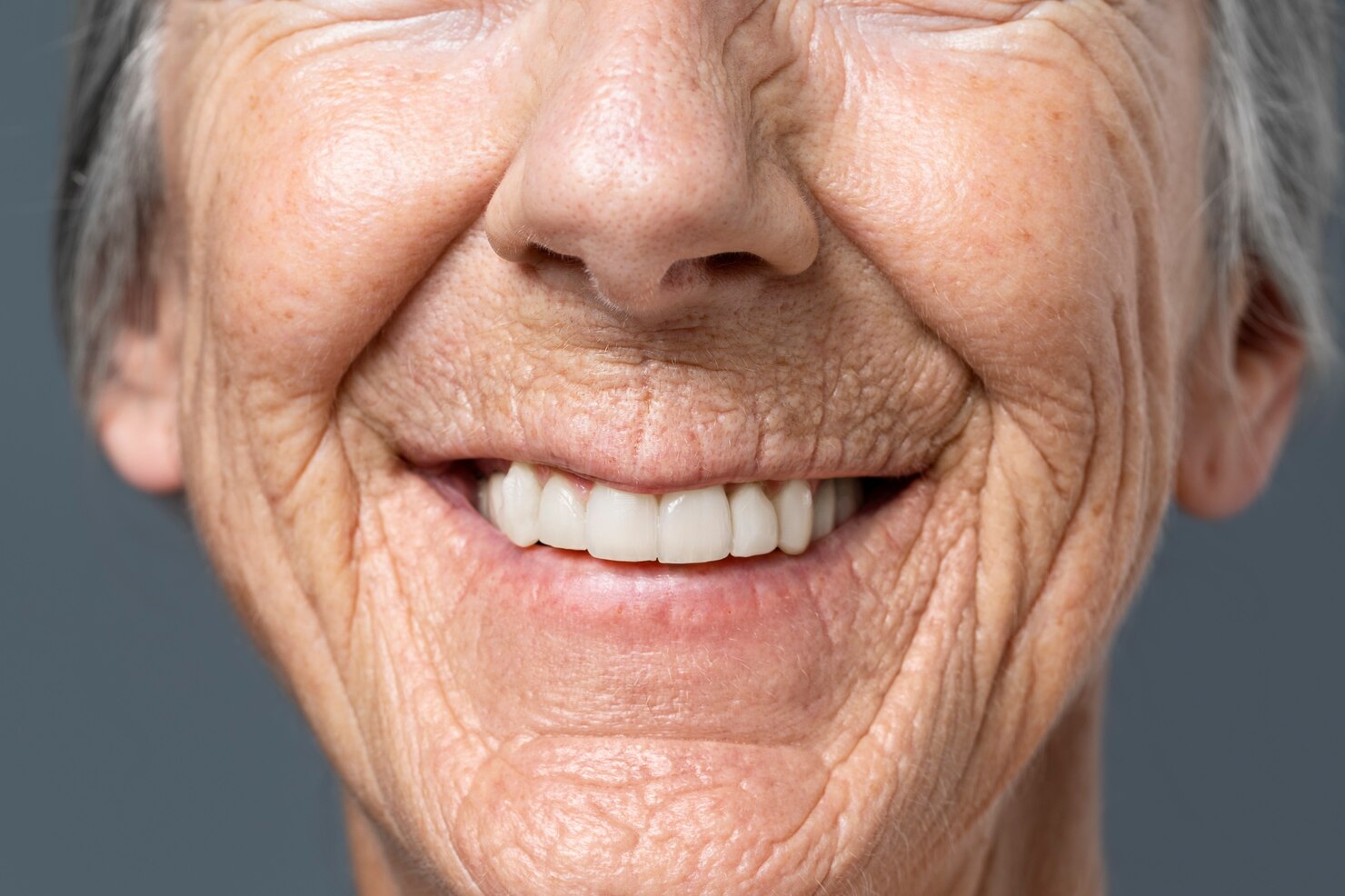
These remain visible when the face is relaxed. They reflect changes in the skin itself, such as reduced collagen. Static lines often begin as dynamic lines that gradually stop fading at rest. Sun exposure and age-related collagen loss tend to make them more noticeable over time.
How we can help: WaterLase laser resurfacing and Exion RF Microneedling renew the surface and support new collagen, EMFACE Eyes supports the skin and muscles beneath, and VISIA skin analysis lets us measure fine lines and texture so you can see how they change over time. Learn about EMFACE Eyes.
A Quick Mirror Check
Look in a mirror with a relaxed face, then smile. Lines that appear only when you smile are mostly dynamic. Lines that are still visible at rest are static. Most people see some of both.
Why It Matters
Approaches that support collagen and skin quality may help soften static lines. Lines driven mainly by movement may respond better to approaches that address the muscle activity around the eyes. Because many patients have both, we look at your face in motion and at rest before recommending anything.
Protecting Your Results
Daily sunscreen, sunglasses and a good moisturizer do not erase lines. They do help slow the skin changes that turn dynamic lines into static ones.
Realistic Expectations
Non-surgical treatment may help soften the look of crow’s feet, but results vary from person to person. Starting earlier, while changes are still mild, often makes results easier to maintain over time.
Our goal is to help you look refreshed while keeping your natural expression.
Not sure which type you have? That is what your Courtesy Consultation is for. We look at your lines in motion and at rest, evaluate your skin and give you a clear, honest plan with no obligation. Schedule a Courtesy Consultation.
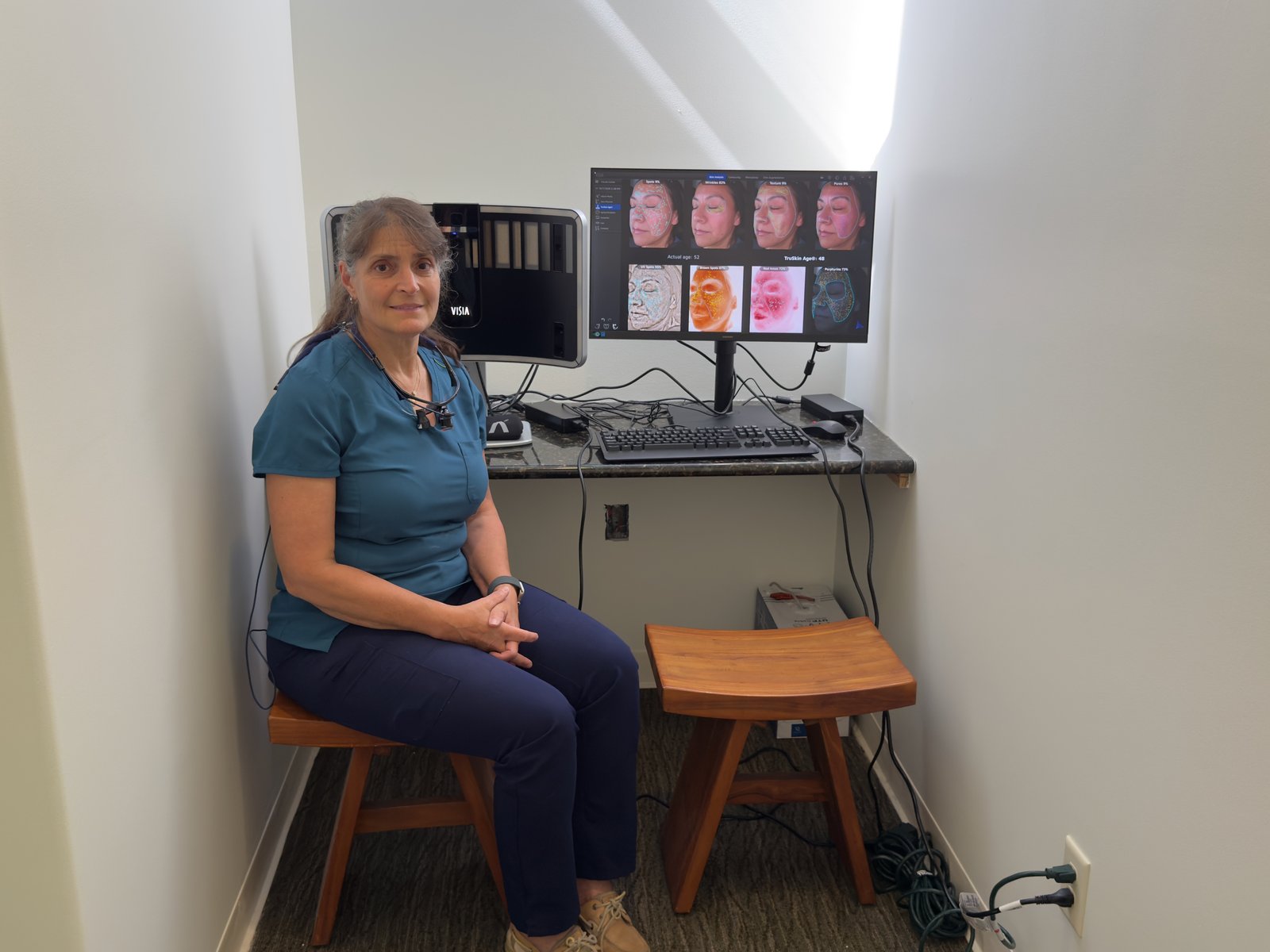
We Start With Your Expressions and Your Skin.
Looking at your face in motion and at rest tells us a great deal about which lines matter most.
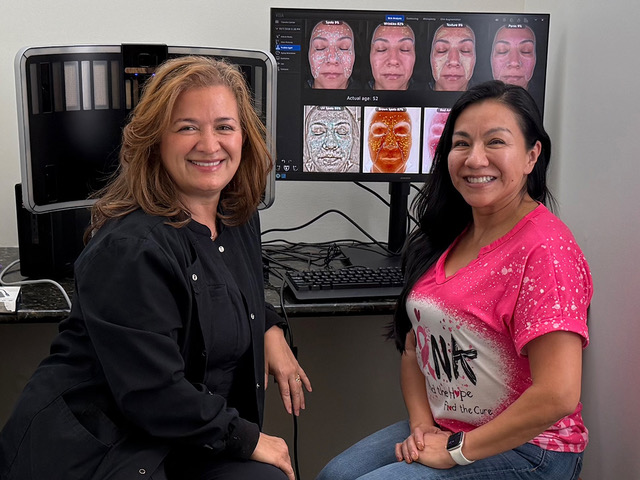
During your Courtesy Consultation, we look at how the lines behave when you smile and when your face is relaxed, evaluate your skin quality and discuss your goals. VISIA skin analysis can also help us look at lines, texture and other skin characteristics.
If a different approach is likely to suit you better, we will tell you so.
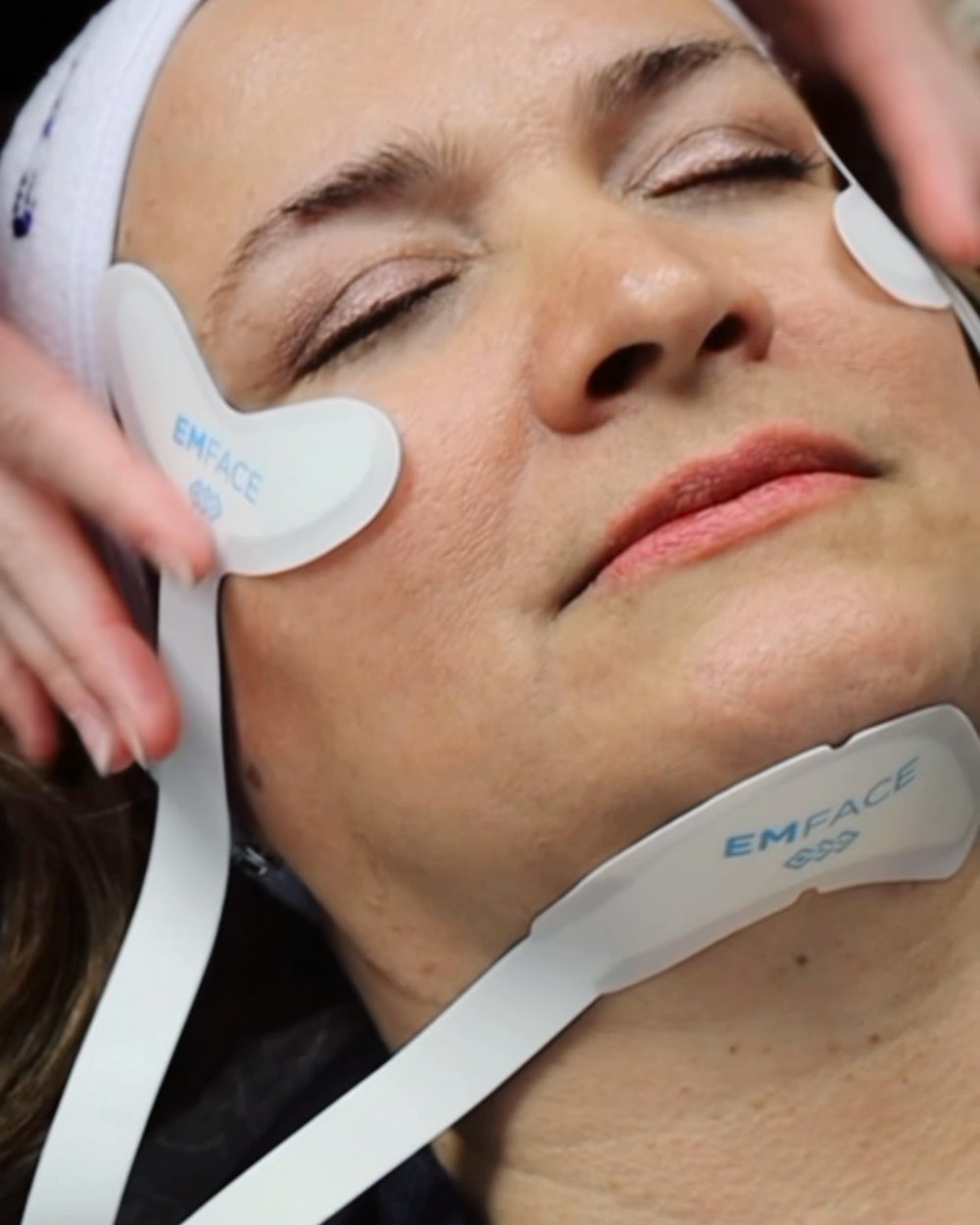
A Non-Surgical Option: EMFACE Eyes.
For patients whose crow’s feet relate to skin quality and support around the eyes, EMFACE Eyes may be worth discussing.
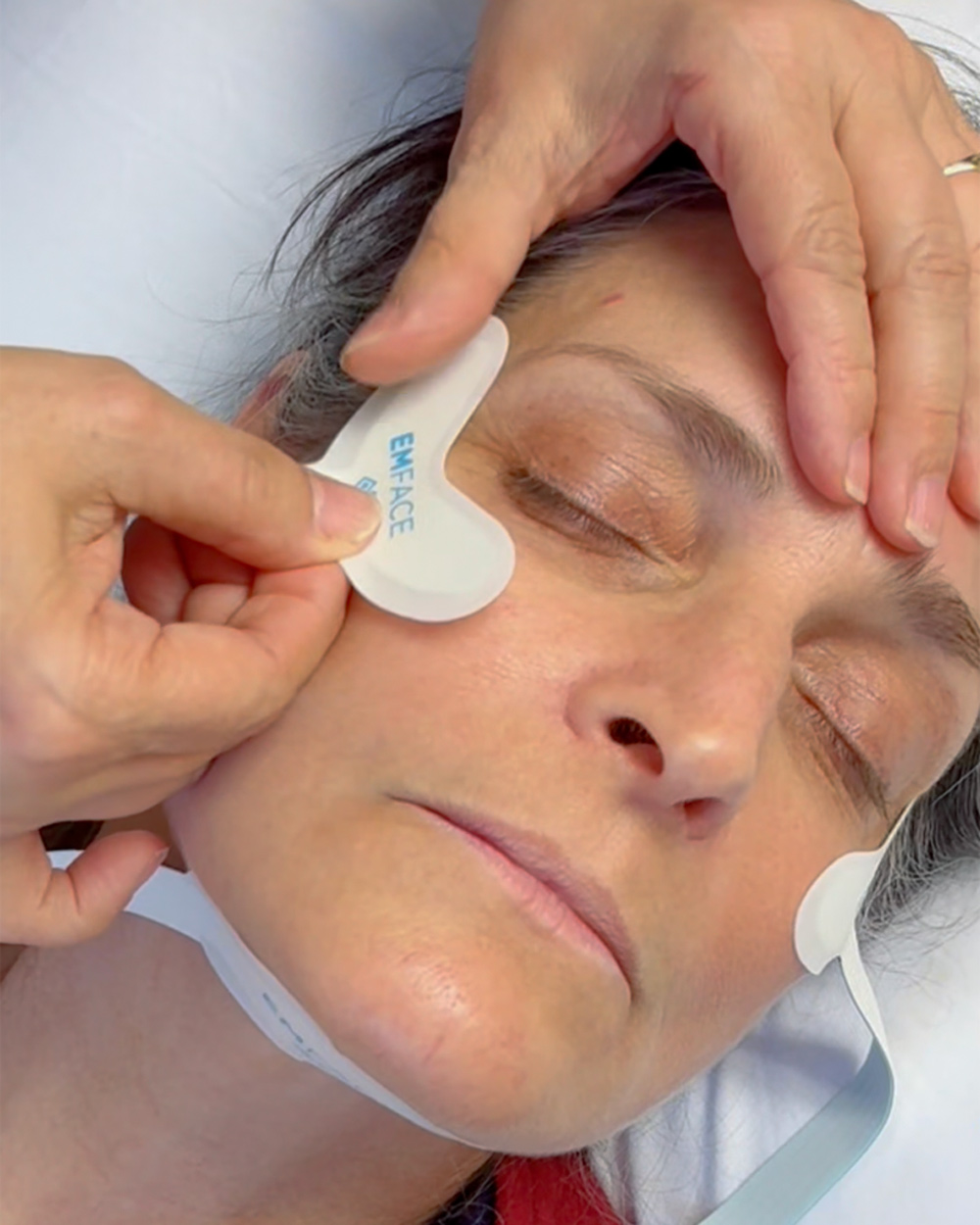
EMFACE Eyes combines radiofrequency energy with HIFES™ muscle stimulation in a non-invasive, needle-free treatment that typically takes about 20 minutes. Radiofrequency energy supports collagen production, while muscle stimulation targets the muscles around the eye.
Clinical data from the manufacturer have reported improvement in the appearance of crow’s feet in some patients. Results vary, and a series of treatments is usually recommended.
If you are comparing EMFACE Eyes with injectables, our EMFACE vs. Botox comparison explains how the approaches differ.
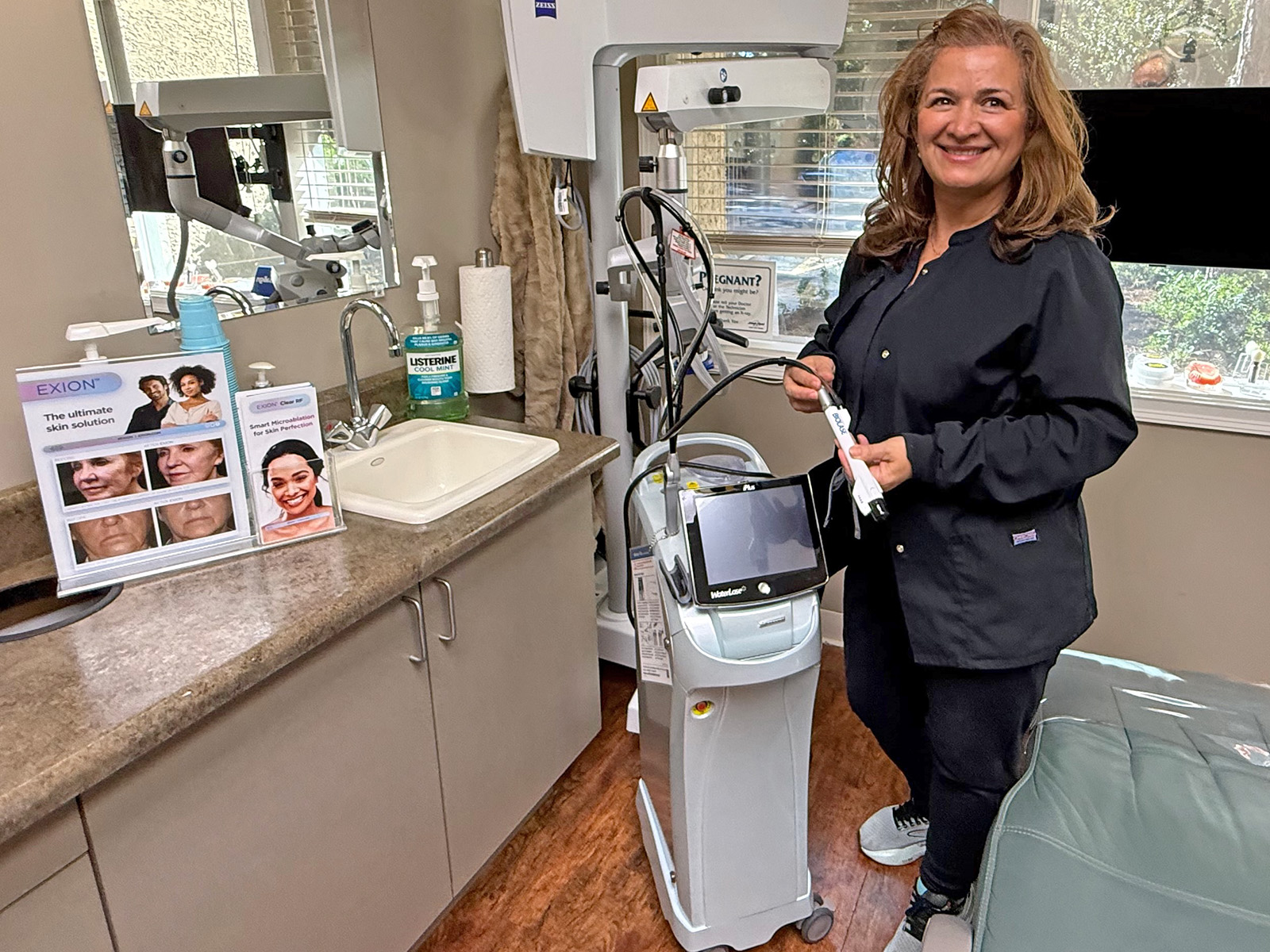
Where WaterLase and Exion RF Microneedling May Fit.
For lines and texture that stay visible at rest, renewing the skin’s surface may be worth discussing.
WaterLase laser resurfacing combines laser energy with a fine water spray to renew the surface of the skin and support new collagen. It is well suited to fine lines and crinkling at the outer corners of the eyes, and the surface typically heals within 24 to 48 hours.
Exion RF Microneedling delivers radiofrequency energy through fine microneedles to stimulate collagen and refine texture. It can be used in the crow’s feet area and beneath the eyes.
Both can be combined with EMFACE Eyes or Exion RF Ultrasound, so the surface, the skin beneath it and the supporting muscles are addressed together. A series of treatments is usually recommended, and results vary.
Related Concerns and Next Steps
Crow’s feet are often one part of a bigger picture around the eyes. Below are related concerns we commonly see together, followed by tools and guides that can help you understand your options before your consultation.
Crepey Under-Eye Skin
Fine crinkling and thinning skin beneath the eyes. Learn why this delicate area changes first and how Exion and WaterLase can support it.
Under-Eye Bags
Puffiness or fullness beneath the eyes that can make you look tired. Learn which types can improve without surgery and what may help.
Hooded Eyes
Heavy brows or upper lids that make the eyes look smaller or tired. See what non-surgical treatment can lift and when surgery is the better option.
VISIA Skin Analysis
VISIA Skin Analysis maps pigment, redness, texture and pores beneath the surface. It gives us a clear baseline to plan and measure treatment.
EMFACE vs. Botox
How EMFACE compares with Botox for lines and wrinkles. Learn the differences in how they work, results and what to expect.
Outer Eye Area
How we treat the outer corners of the eyes. Compare WaterLase, Exion RF Microneedling and EMFACE Eyes for crow’s feet.
Frequently Asked Questions About Crow’s Feet

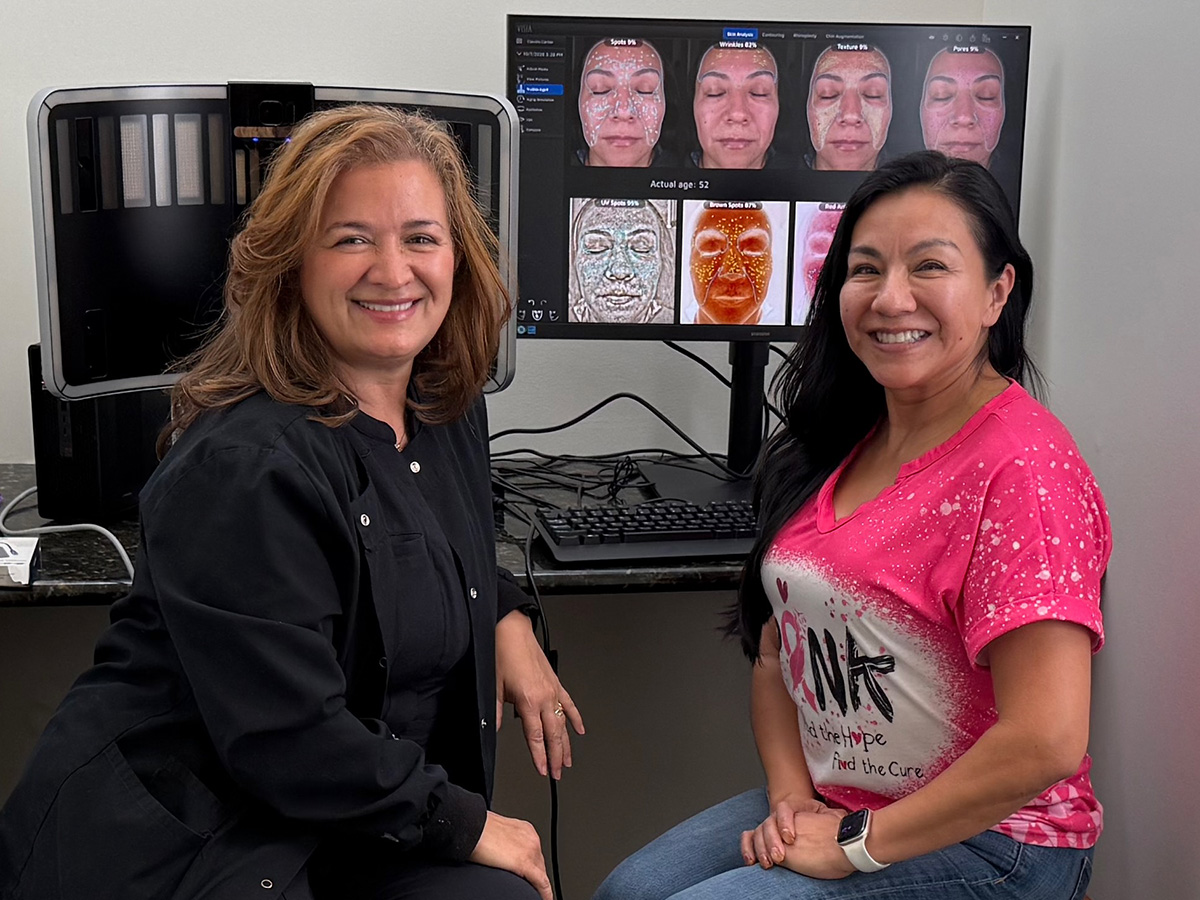
Ready to Soften the Look of Crow’s Feet?
You do not have to decide on a treatment alone. At Ocean Aesthetics & Wellness, serving Hilton Head Island and Bluffton, we will help you understand your options and explore a personalized approach that keeps you looking like yourself.