A professional skin assessment reveals what a mirror simply cannot show: subsurface pigmentation, early UV damage, collagen loss patterns, vascular irregularities, and structural aging that develop beneath the skin’s surface long before they become visible. A mirror reflects light off the top layer of skin. A clinical skin analysis evaluates multiple layers simultaneously, giving both you and your clinician an accurate, objective picture of your skin’s actual condition. The sections below address the most common questions patients have before their first assessment.
What does a professional skin assessment actually measure?
A professional skin assessment measures multiple dimensions of skin health at once, including surface texture, pore size, skin tone uniformity, fine lines, pigmentation patterns, vascular activity, collagen density, and structural laxity. Unlike a visual consultation, advanced imaging captures data across different wavelengths of light, revealing conditions at and below the surface that are not visible during a standard examination.
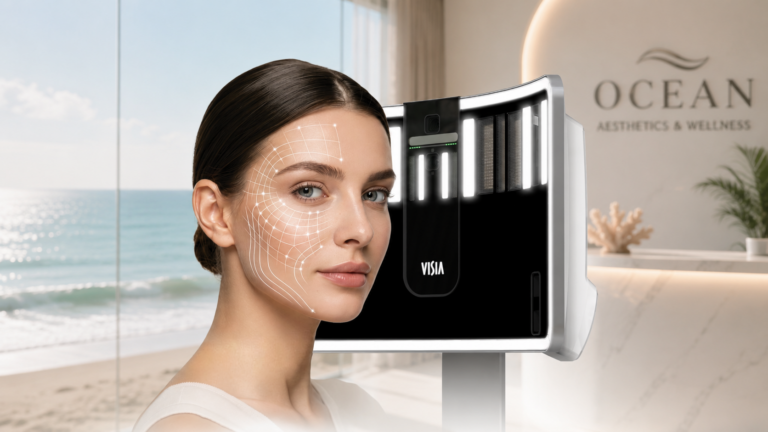
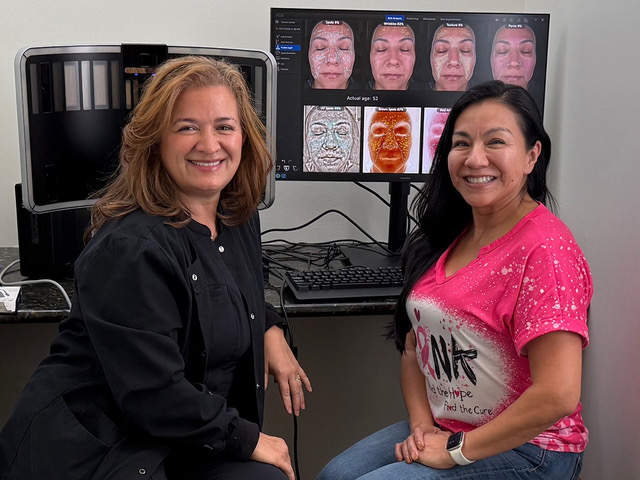
At Ocean Aesthetics & Wellness, the Visia Skin Analysis system powers this process. VISIA uses multi-spectral imaging to analyze your skin across several dimensions simultaneously, then compares your results against a database of tens of thousands of age-matched skin profiles. The output is not a general impression. It is a scored, documented profile of your skin’s current health across every measured category.
This kind of objective baseline changes what a consultation can accomplish. Rather than describing concerns in general terms, you and your clinician can review actual data, identify specific priorities, and build a treatment plan that addresses what your skin genuinely needs rather than what seems reasonable based on a brief visual inspection.
What skin problems are invisible to the naked eye?
Several significant skin concerns develop beneath the surface before they become visible, including subsurface UV damage, early pigmentation changes, vascular irregularities, and collagen loss. These conditions are often well established by the time they appear in a mirror, which means a mirror-only assessment consistently underestimates the extent of what is actually present in the skin.
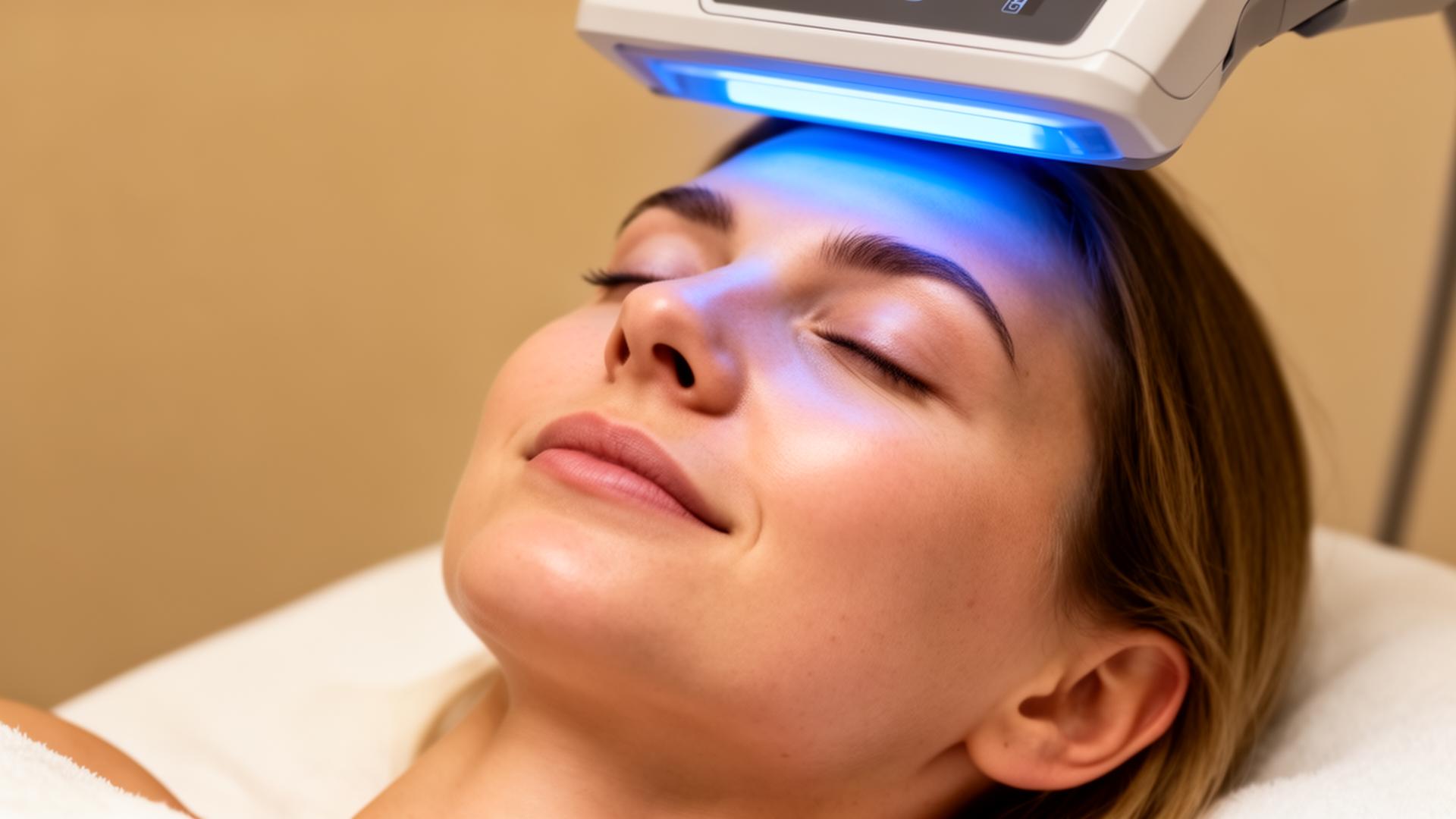
Sun damage is one of the most commonly underestimated findings. Patients living in sun-rich environments like Hilton Head frequently discover that UV damage extends significantly deeper and wider than surface spots or discoloration suggest. Advanced imaging captures this subsurface pigmentation clearly, which has direct implications for how aggressively and in what sequence treatment should be approached. For patients where surface-level damage is a priority, laser skin resurfacing treatments may be among the options discussed following assessment findings.
Collagen health is another area where the naked eye provides limited information. Visible laxity and fine lines represent the later stages of collagen loss. Imaging can identify structural changes earlier, allowing treatment to be timed more effectively. Similarly, diffuse redness and early vascular patterns are often missed or misread in a standard consultation but show up clearly in multi-spectral analysis, supporting more targeted and appropriate treatment planning.
How does a skin assessment change your treatment plan?
A professional skin assessment changes your treatment plan by replacing assumption with clinical data. Instead of recommending treatments based on what concerns a patient mentions or what a clinician observes visually, every recommendation is grounded in documented findings across multiple dimensions of skin health. This shifts treatment from reactive to structured and precise.
In practical terms, this means the assessment determines not just what to treat, but also in what order and at what depth. A patient whose primary concern is skin texture may discover through imaging that subsurface pigmentation or vascular activity should be addressed first. A patient focused on laxity may find that collagen stimulation needs to precede any surface-level treatment to achieve meaningful results. Technologies such as Exion therapy for skin rejuvenation may be recommended based on these specific findings.
The assessment also establishes a baseline that makes progress measurable. Follow-up imaging at key milestones in a treatment journey allows objective comparison of texture, pigmentation, redness, and collagen density over time. This is meaningfully different from relying on memory or subjective impression. Patients consistently describe seeing documented progress as one of the most motivating parts of the experience, because it gives their results a concrete reference point rather than a feeling.
Who should get a professional skin assessment?
A professional skin assessment is appropriate for any adult who wants to understand their skin before committing to treatment, is considering facial rejuvenation but is unsure where to start, or has concerns about pigmentation, redness, texture, or aging that have not been fully addressed through previous consultations. You do not need to have a specific treatment in mind to benefit.
Patients who are new to aesthetic care often find the assessment most valuable precisely because it replaces uncertainty with clarity. Many patients discover that the imaging process helps them articulate concerns they had not been able to express before, and that the findings reveal priorities they had not considered. For those seeking a structured approach from the outset, signature rejuvenation pathways for comprehensive care offer a framework built around exactly this kind of data-driven starting point.
Patients who are further along in their aesthetic journey also benefit, particularly those who want to track measurable progress, evaluate whether their current approach is producing results, or explore whether a more structured, multi-layer treatment plan would serve them better. The assessment is equally useful as a starting point and as a clinical checkpoint.
If you have medical conditions, are pregnant, or are currently taking medications that may affect skin sensitivity or treatment eligibility, discuss this with your provider before proceeding with any treatment recommended following your assessment.
What happens during a skin assessment consultation?
During a professional skin assessment consultation, your skin is captured using high-resolution, multi-dimensional imaging technology that analyzes multiple layers of skin health in a single session. The process is non-invasive and takes only minutes. A clinician then reviews the findings with you in detail, explaining what each result means and how it informs your treatment options.
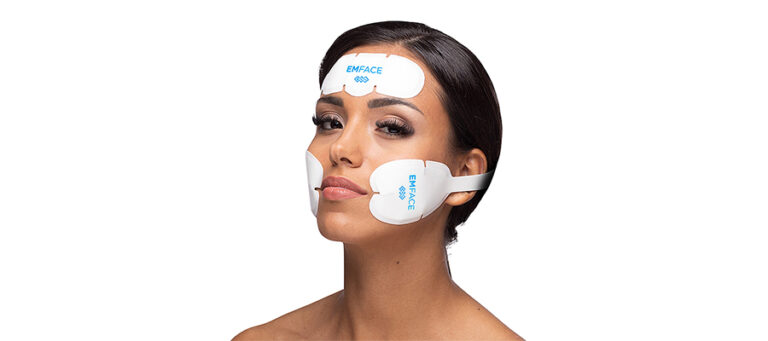
At Ocean Aesthetics & Wellness, the consultation begins with the VISIA imaging session, which produces a scored analysis across all evaluated dimensions. Dr. Sugg or a clinician then walks through the results with you individually, connecting the findings to your stated goals and concerns. Where facial muscle tone and skin laxity are identified as priorities, options such as EmFace aesthetics for facial rejuvenation may be discussed as part of the personalized plan. This is not a high-volume, brief-review process. Time is set aside specifically to ensure you understand what your skin analysis reveals and why each recommended treatment is appropriate for your specific findings.
The consultation concludes with personalized treatment recommendations, a clear explanation of what each option does and why it fits your skin profile, and a realistic discussion of what a structured approach to rejuvenation would look like for you. There is no pressure to commit to treatment at that appointment. The goal is clarity first.
If you are ready to see your skin with that level of precision, schedule a courtesy consultation at Ocean Aesthetics & Wellness and begin with a complimentary Advanced Skin Analysis that gives your treatment plan an honest, data-supported foundation.