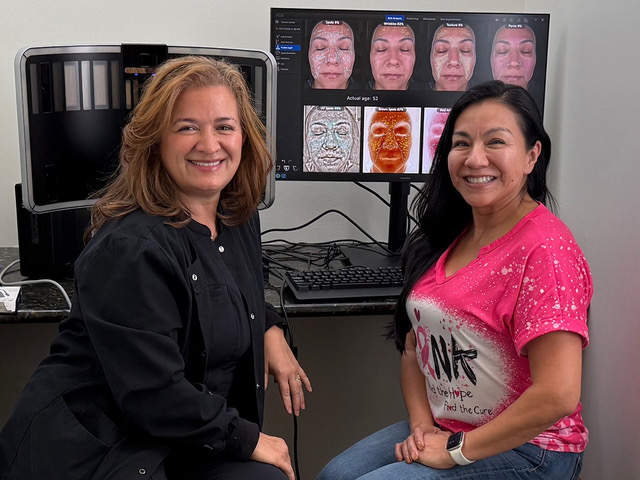
RF microneedling is worth the investment for many people seeking skin improvement. This advanced treatment combines traditional microneedling with radiofrequency energy to stimulate collagen production and improve skin texture, tone, and firmness. The investment typically ranges from $300–800 per session, with most people needing 3–4 treatments for optimal results. Understanding the technology, costs, realistic expectations, and candidacy requirements helps determine whether it’s right for your specific skin goals.
What is RF microneedling and how does it work?
RF microneedling combines traditional microneedling with radiofrequency energy to create controlled micro-injuries in the skin while delivering heat deep into the tissue layers. The tiny needles create channels that trigger natural healing responses, while radiofrequency energy heats the deeper skin layers to stimulate collagen and elastin production.
The treatment works in two phases. During the microneedling phase, fine needles create microscopic punctures in the skin’s surface, prompting your body’s natural repair process. The radiofrequency energy then travels through these channels, heating the dermis to temperatures that encourage new collagen formation without damaging the skin’s surface.
This dual-action approach makes RF microneedling more effective than traditional microneedling alone. The heat component allows the treatment to target deeper skin layers where aging occurs, while the microneedling component improves product absorption and surface texture. The combination results in tighter, smoother skin with improved tone and reduced signs of aging.
How much does RF microneedling cost and what factors affect pricing?
RF microneedling typically costs between $300–800 per session, with most patients requiring 3–4 treatments spaced 4–6 weeks apart. The total investment usually ranges from $1,200–3,200 for a complete treatment series, depending on various factors that influence pricing.
Several factors affect the cost of RF microneedling treatments. Treatment area size significantly impacts pricing, with full-face treatments costing more than targeted areas such as around the eyes or mouth. Geographic location plays a major role, as treatments in major metropolitan areas typically cost more than those in smaller cities.
Provider expertise and facility type also influence pricing. Medical spas and dermatology offices often charge different rates based on their overhead costs and the practitioner’s experience level. The specific RF microneedling device used can affect costs, as newer or more advanced systems may command higher treatment prices.
Additional factors include the depth of treatment needed, whether combination therapies are included, and package deals offered by providers. Many practices offer discounted rates when you purchase multiple sessions upfront, which can reduce the overall investment.
What results can you realistically expect from RF microneedling treatments?
RF microneedling results become visible gradually, with initial improvements appearing 2–4 weeks after treatment and optimal results developing over 3–6 months. You can expect improved skin texture, reduced fine lines, tighter skin, and a more even tone. The treatment effectively addresses acne scarring, sun damage, and mild to moderate skin laxity.
The timeline for results follows a predictable pattern. Immediate effects include mild redness and swelling that resolve within 24–48 hours. New collagen production begins within weeks, creating subtle improvements in skin quality. Peak results typically appear 3–4 months after completing the treatment series, as collagen continues to rebuild and strengthen.
RF microneedling works well for various skin concerns, including fine lines around the eyes and mouth, acne scarring, enlarged pores, uneven skin texture, and mild skin sagging. It’s particularly effective for improving overall skin quality rather than addressing severe wrinkles or significant sagging that might require more aggressive treatments.
Compared to other aesthetic treatments, RF microneedling offers more dramatic results than basic facials or chemical peels but less dramatic changes than surgical procedures. Results can last 1–2 years with proper skincare, and maintenance treatments can extend the benefits.
Who is the ideal candidate for RF microneedling and when should you avoid it?
Ideal candidates for RF microneedling are adults with mild to moderate skin concerns who want to improve texture, tone, and firmness without surgery. The treatment works well for most skin types and ages, particularly those with acne scarring, fine lines, or early signs of aging who have realistic expectations about gradual improvement.
Good candidates typically have healthy skin without active infections or inflammatory conditions. People seeking improvement in skin texture, minor wrinkles, acne scarring, or overall skin quality tend to see the best results. The treatment is suitable for various skin tones, though darker skin types require experienced practitioners to minimize pigmentation risks.
Certain conditions make RF microneedling unsuitable or require special precautions. Active acne outbreaks, open wounds, or skin infections in the treatment area require healing before proceeding. Pregnant or breastfeeding women should postpone treatment, as should people with certain medical conditions such as bleeding disorders or those taking blood-thinning medications.
People with unrealistic expectations about dramatic, immediate results may not be good candidates. Those with severe skin laxity or deep wrinkles might benefit more from surgical options. A thorough consultation helps determine whether RF microneedling aligns with your skin goals and medical history.
RF microneedling represents a worthwhile investment for many people seeking gradual, natural-looking skin improvement. The combination of proven technology, manageable downtime, and lasting results makes it an attractive option for addressing various skin concerns. Schedule a consultation to determine whether RF microneedling fits your aesthetic goals and budget.