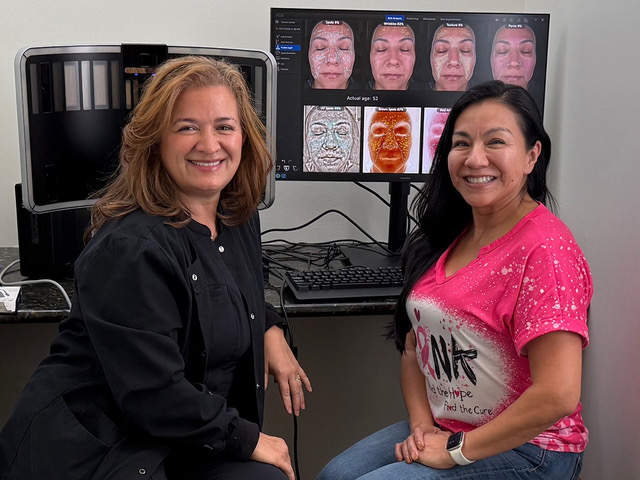
You can get rid of brown spots and age spots by using targeted treatments that break down excess melanin in the skin. The most effective options include professional laser treatments, radiofrequency energy, and microneedling, all of which work at different skin depths to fade dark spots and restore an even tone. Below, we answer the most common questions people have about brown spot and age spot removal so you can make an informed decision about your skin.
What actually causes brown spots to form on skin?
Brown spots form when melanin, the pigment responsible for skin color, is overproduced in certain areas. This overproduction is most commonly triggered by UV exposure, hormonal changes, inflammation, or simply the natural aging process. When melanin clusters together rather than distributing evenly, it creates the visible patches of discoloration we recognize as age spots, sun spots, or hyperpigmentation.
Sun exposure is by far the most common culprit. Over years of UV exposure, skin cells called melanocytes go into overdrive, producing excess pigment as a protective response. This is why brown spots on the face, hands, and shoulders are so common — those areas receive the most sun throughout a lifetime. Younger skin has a stronger ability to regulate melanin production and turn over skin cells regularly, but as we get older that renewal process slows down, which is why spots tend to appear more prominently in your 40s, 50s, and beyond.
Hormonal shifts, particularly during pregnancy or when taking certain medications, can trigger a specific type of hyperpigmentation called melasma. Post-inflammatory hyperpigmentation is another common cause, where dark marks are left behind after acne, a rash, or any injury to the skin. It is also worth noting that genetics play a role — some people are more prone to developing dark spots than others, regardless of how carefully they protect themselves from the sun.
Are all brown spots the same, or do they need different treatments?
Not all brown spots are the same, and they respond differently to treatment. The three most common types are sun spots or age spots caused by UV damage, melasma triggered by hormonal activity, and post-inflammatory hyperpigmentation left behind by acne or skin trauma. Each sits at a different depth in the skin and has a different underlying mechanism, which is why a one-size-fits-all approach rarely works well.
Age spots vs. freckles
Freckles are small, light brown spots that are largely genetic and tend to appear in childhood. They often fade in winter and darken in summer. Age spots, by contrast, tend to be larger, darker, and more permanent. They develop from cumulative UV exposure over time rather than genetic predisposition, and they do not fade seasonally.
Age spots vs. sun damage
Sun damage is a broader category that includes age spots, but also encompasses uneven skin tone, rough texture, dullness, and broken capillaries. An age spot is one visible symptom of deeper sun damage in the skin. Treating only the visible spot may not address the underlying skin quality issues caused by years of UV exposure.
Age spots vs. melasma
Melasma is a hormonal condition that causes larger patches of discoloration, often triggered by pregnancy, birth control, or sun exposure in people with hormonal sensitivities. It tends to appear symmetrically on the face and sits deeper in the skin than a typical age spot. Melasma requires more careful treatment because some aggressive procedures can actually worsen it. Post-inflammatory marks from acne or injury often fade on their own over time but can be significantly accelerated with the right professional treatment. A professional assessment is especially important before treating any pigmentation that may be melasma.
What are the most effective treatments for brown spots?
Several professional treatments are proven to effectively remove or significantly reduce brown spots on the face and body. The most effective options target excess melanin either by breaking it down at the surface, stimulating cellular turnover, or rebuilding healthier skin from within. Over-the-counter brightening creams can offer mild improvement over time, but professional treatment consistently delivers faster and more lasting results by working at the cellular level. The right choice depends on the type of brown spots, your skin tone, and how deep the pigmentation sits.
- Laser skin resurfacing: Removes the damaged outer layer of skin and stimulates collagen renewal, revealing fresher, more even-toned skin beneath.
- Radiofrequency energy treatments: Penetrate below the surface to stimulate the skin’s natural regenerative processes, improving tone and reducing hyperpigmentation.
- RF microneedling: Combines controlled micro-channels with radiofrequency energy to remodel skin at a deeper level, targeting discoloration, texture, and dark spots simultaneously.
- Topical prescription treatments: Prescription-strength retinoids or hydroquinone can fade spots gradually, often used to maintain results after professional treatment.
The right treatment depends on the depth of the pigmentation, your skin type, and how quickly you want to see results. A professional consultation is the best way to identify which approach suits your specific skin concerns.
How does laser treatment remove brown spots?
Laser treatment removes brown spots by directing concentrated light energy into the skin, where it is absorbed by the excess melanin in the dark spot. This causes the pigmented cells to break apart. The body then naturally clears away the fragmented pigment over the following days and weeks, leaving behind clearer, more evenly toned skin. As the skin regenerates, it comes back clearer and more evenly toned overall.
At Ocean Aesthetics and Wellness, we use the Waterlase laser for laser skin resurfacing, which combines laser energy with a fine water mist. This approach is gentler than traditional resurfacing lasers while still being highly effective. The water mist allows for more precise targeting of damaged skin cells, reducing the intensity of side effects while still triggering meaningful collagen renewal beneath the surface.
After treatment, you can expect some redness, tightness, and light flaking for a few days as the skin heals. Most people notice visible improvement within the first week, with optimal results appearing as the skin continues to regenerate over the following weeks. Results from laser brown spot removal typically last six months to over a year, especially when combined with good sun protection and a consistent skincare routine.
What other professional treatments target brown spots?
Exion Clear RF uses radiofrequency energy to target surface-level pigmentation, including sun spots, age spots, and uneven tone. It works by delivering controlled energy to the skin’s upper layers, encouraging the body to clear away discolored cells and reveal brighter, more luminous skin. For deeper pigmentation concerns, Exion RF Ultrasound Rejuvenation penetrates further into the skin to address sun damage and age spots while also improving overall skin quality, firmness, and hydration from within.
How many treatments does it take to see results?
Most people begin to see noticeable improvement in brown spots after one to three professional treatments, though a full course typically involves four sessions spaced several weeks apart. The exact number depends on how deep the pigmentation sits, how long it has been present, and which treatment is used. Superficial sun spots often respond faster than deeper or hormonally driven discoloration.
With laser skin resurfacing, visible improvement is often apparent within the first week as the skin sheds its damaged outer layer. With radiofrequency-based treatments like Exion, early results are often visible after a single session, but the most significant improvement builds gradually over several months as the skin’s natural regenerative processes do their work. It is worth setting realistic expectations: stubborn discoloration like long-standing melasma may require more sessions or a combination approach. The goal is always lasting clarity rather than a quick fix that fades.
Can brown spots come back after treatment?
Brown spots can return after treatment if the underlying triggers, particularly sun exposure, are not managed. Professional hyperpigmentation treatment removes existing discoloration effectively, but it does not make skin immune to future pigment overproduction. Sun protection is the single most important step in maintaining results after any brown spot treatment.
With proper aftercare, results from professional treatments can last six months to well over a year. Hormonally driven brown spots like melasma carry a higher risk of returning, especially if the hormonal trigger is still active. In these cases, periodic maintenance treatments can help keep skin tone even over time.
Here are the most effective steps to maintain your results after brown spot removal:
- Wear broad-spectrum SPF 30 or higher every day, even on cloudy days or when spending most of your time indoors near windows.
- Reapply sunscreen every two hours when outdoors, and wear protective clothing, hats, and sunglasses for added defense.
- Use a vitamin C serum in the morning to help neutralize free radicals from UV exposure and support an even skin tone.
- Incorporate a retinoid into your nighttime routine to encourage regular cell turnover and prevent pigment from accumulating.
- Schedule maintenance treatments as recommended by your provider to keep skin renewed and address any early pigmentation before it becomes visible.
Skin rejuvenation is not a one-time event. Treatments like Exion Clear RF and laser resurfacing can dramatically improve your skin’s tone and clarity, but protecting that investment with daily habits is what makes results last. Think of professional treatment as resetting the clock and consistent sun protection as keeping it from running forward again.
If you are ready to address brown spots with a treatment plan tailored specifically to your skin, we would love to help. Schedule a courtesy consultation with Dr. Sugg at Ocean Aesthetics and Wellness on Hilton Head Island to get a personalized assessment and a clear plan for achieving the even, radiant skin you are looking for.