What is Exion RF Ultrasound, and how does it work?
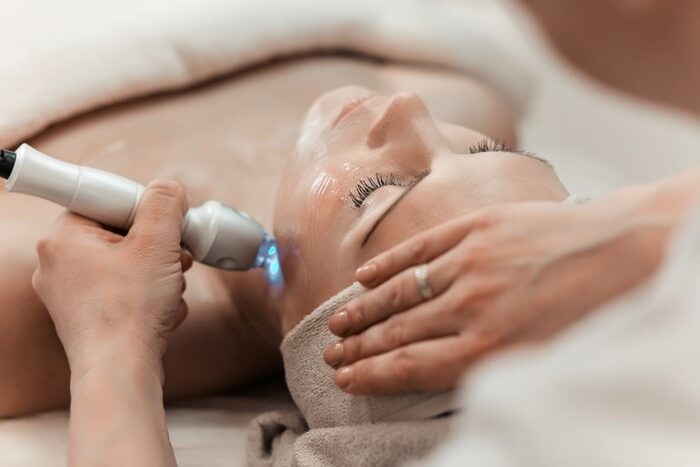
Exion RF Ultrasound is a non-invasive skin rejuvenation treatment that combines radiofrequency energy with targeted ultrasound technology to stimulate collagen production, boost hyaluronic acid levels, and tighten the skin—all without needles, incisions, or downtime. It works by delivering heat to the deeper layers of the dermis, triggering the skin’s natural regenerative response.
What makes Exion particularly advanced is its AI-driven energy delivery system, which optimizes each treatment pass for precision and consistency. The monopolar radiofrequency generates controlled heat deep within the tissue, while the ultrasound component stimulates fibroblast activity and hyaluronic acid production. This dual-action approach addresses multiple concerns at once—including fine lines, skin laxity, uneven texture, and loss of firmness.
Most patients at our practice on Hilton Head Island complete a series of three to five sessions, spaced several weeks apart, to achieve optimal results. There’s minimal to no downtime, so you can return to your regular routine the same day. If you’re curious whether Exion RF Ultrasound is the right fit for your skin goals, schedule a consultation with us, and we’ll walk you through exactly what to expect.
What do fillers do that Exion RF Ultrasound cannot?
Dermal fillers add physical volume to the face by injecting a gel-like substance—most commonly hyaluronic acid—directly beneath the skin. This is something Exion RF Ultrasound cannot replicate. While Exion stimulates your skin to produce its own hyaluronic acid and collagen, it does not restore lost facial volume in the same immediate, targeted way that fillers do.
Volume loss is a natural part of aging. As the fat pads in the face diminish and bone density decreases over time, areas like the cheeks, temples, under-eyes, and lips can appear hollow or deflated. Fillers address this structural deficit directly—a result that radiofrequency skin tightening, no matter how advanced, simply cannot achieve on its own.
Fillers also deliver instant, visible results. A patient can walk into an appointment and leave with noticeably fuller cheeks or smoother nasolabial folds the same day. Exion, by contrast, works gradually as the skin rebuilds its own collagen and hyaluronic acid over several weeks and months. Both approaches are valuable—they just work differently and serve different needs.
When can Exion RF Ultrasound replace fillers?
Exion RF Ultrasound can be a genuine alternative to fillers when the primary concern is skin laxity, texture, or early signs of aging rather than significant volume loss. If your skin feels less firm, looks dull, or shows fine lines and mild sagging, Exion’s radiofrequency and ultrasound technology can address those concerns effectively without injectables.
Signs that Exion may be enough on its own
- Mild to moderate skin laxity rather than deep hollowing
- Fine lines and wrinkles caused by collagen decline
- Uneven skin texture or early loss of elasticity
- A preference for a fully non-invasive, needle-free approach
- Patients who want gradual, natural-looking improvement over time
For younger patients or those in the earlier stages of skin aging, a personalized consultation can help determine whether Exion alone delivers the results you’re looking for. Because Exion stimulates your skin’s own production of collagen and hyaluronic acid, the improvements it creates look and feel natural—which is exactly what many people want from a non-invasive facial rejuvenation treatment.
Should you combine Exion RF Ultrasound with fillers?
Yes—combining Exion RF Ultrasound with dermal fillers is often the most comprehensive approach to facial rejuvenation. Fillers restore lost volume and provide structural support, while Exion improves skin quality, firmness, and texture from within. Together, they address both the structural and surface-level changes that come with aging.
Think of it this way: fillers are like scaffolding that rebuilds the architecture of the face, while Exion is like renovating the walls and surface—tightening, smoothing, and strengthening the skin that sits on top of that structure. Used together, the results are often more balanced and longer-lasting than either treatment alone.
This kind of combination approach is something we take seriously at Ocean Aesthetics & Wellness. Dr. Sugg spends dedicated one-on-one time with every patient during consultations, learning your specific goals before recommending a personalized treatment plan. There’s no one-size-fits-all answer—the right approach depends on your anatomy, your concerns, and what results matter most to you. If you’re weighing your options between Exion vs. fillers or considering both, Schedule Courtesy Consultation, and let’s find the right path forward together.