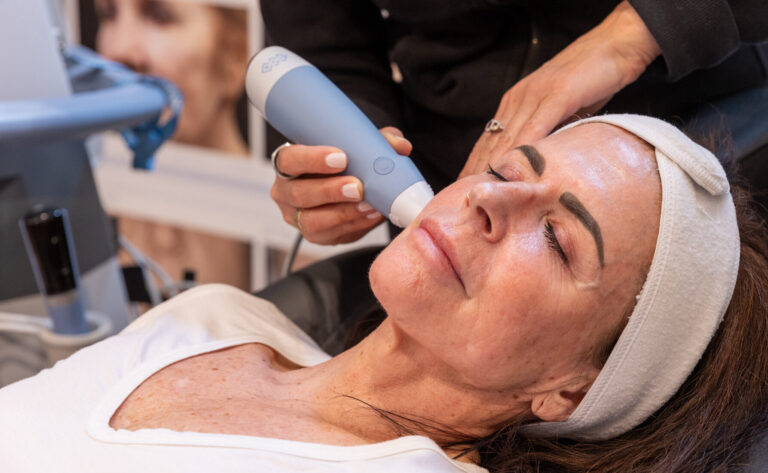
RF microneedling combines traditional microneedling with radiofrequency energy to stimulate deeper skin rejuvenation. The treatment uses tiny needles to create controlled micro-injuries while delivering heat energy to deeper tissue layers, promoting enhanced collagen production and skin tightening. This dual-action approach addresses various skin concerns more effectively than standalone treatments.
What is RF microneedling and how does it work?
RF microneedling is an advanced aesthetic treatment that combines the benefits of traditional microneedling with radiofrequency energy delivery. The procedure uses a specialized device equipped with ultra-fine needles that penetrate the skin at precise depths while simultaneously delivering controlled radiofrequency energy through the needle tips.
This dual-action technology works by creating microscopic channels in the skin through the needling process, which triggers the body’s natural healing response. The radiofrequency energy then heats the deeper layers of skin tissue, causing controlled thermal injury that stimulates robust collagen and elastin production. Unlike traditional microneedling, which only works at the surface level, RF microneedling reaches deeper into the dermis, promoting more significant skin remodeling and tightening effects.
The heat energy also helps contract existing collagen fibers immediately, providing some instant tightening effects, while the long-term benefits develop as new collagen forms over the following months.
What skin concerns can RF microneedling address?
RF microneedling effectively treats a comprehensive range of skin concerns, including fine lines, wrinkles, acne scars, skin laxity, enlarged pores, stretch marks, and uneven skin texture. The treatment’s ability to penetrate deeper tissue layers makes it particularly effective for addressing structural skin issues that surface-level treatments cannot reach.
The procedure works exceptionally well for acne scarring, as the combination of needling and heat energy helps break down scar tissue while promoting new, healthy skin formation. For aging concerns, RF microneedling addresses both superficial wrinkles and deeper skin laxity by stimulating collagen production at multiple tissue depths.
The treatment is suitable for various skin types and can be used on different areas of the body, including the face, neck, décolletage, and body areas with stretch marks or loose skin. The adjustable needle depths and energy levels allow practitioners to customize treatments based on specific skin concerns and treatment areas, making it versatile for addressing individual patient needs.
How does RF microneedling compare to other skin treatments?
RF microneedling offers unique advantages over traditional microneedling, laser treatments, and chemical peels by combining mechanical and thermal energy for enhanced results. Unlike standard microneedling, which relies solely on needle penetration, RF microneedling adds heat energy for deeper tissue remodeling and more dramatic skin tightening effects.
Compared to laser treatments, RF microneedling typically involves less downtime and works safely on various skin tones without the same risk of pigmentation changes. The treatment penetrates deeper than chemical peels while being gentler than aggressive laser resurfacing procedures. This combination approach allows for more comprehensive skin improvement in fewer sessions than many standalone treatments.
RF microneedling also offers advantages in treating specific concerns like acne scars and skin laxity, where the dual-action technology provides superior results compared to single-modality treatments. The controlled delivery of energy through the needles ensures precise treatment depth and minimizes damage to the skin surface.
What should you expect during and after RF microneedling treatment?
During RF microneedling treatment, you will have a consultation to assess your skin and discuss treatment goals, followed by the application of a numbing cream for comfort. The actual procedure involves the practitioner moving the RF microneedling device across the treatment areas, with most patients describing the sensation as mild heat and pressure rather than significant discomfort.
Immediately after treatment, your skin will appear red and slightly swollen, similar to a moderate sunburn. This initial reaction typically subsides within 24–48 hours. You may experience mild skin flaking or dryness for several days as the skin begins its healing process.
The recovery period involves avoiding direct sun exposure and following specific skincare instructions for optimal healing. Most patients can return to normal activities within a few days, though makeup may be used to cover residual redness. Results begin to appear within a few weeks as new collagen forms, with continued improvement over 3–6 months as the skin remodeling process progresses.
Who is a good candidate for RF microneedling?
Ideal candidates for RF microneedling include individuals with mild to moderate skin aging, acne scarring, enlarged pores, or skin texture concerns who want significant improvement without extensive downtime. The treatment works well for adults of various ages who have realistic expectations about gradual skin improvement over several months.
Good candidates typically have healthy skin without active infections, are not pregnant or breastfeeding, and can follow post-treatment care instructions. The treatment is suitable for most skin types and tones, making it an inclusive option for diverse patients seeking skin rejuvenation.
However, individuals with certain medical conditions, active skin infections, or those taking specific medications may not be suitable candidates. A thorough consultation helps determine treatment suitability and allows for customized treatment planning based on individual skin concerns, goals, and medical history to ensure safe and effective results.